Why Choose a Solar Lamp Post for Outdoor Lighting?

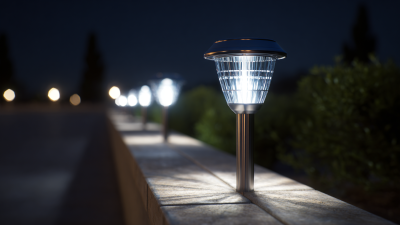
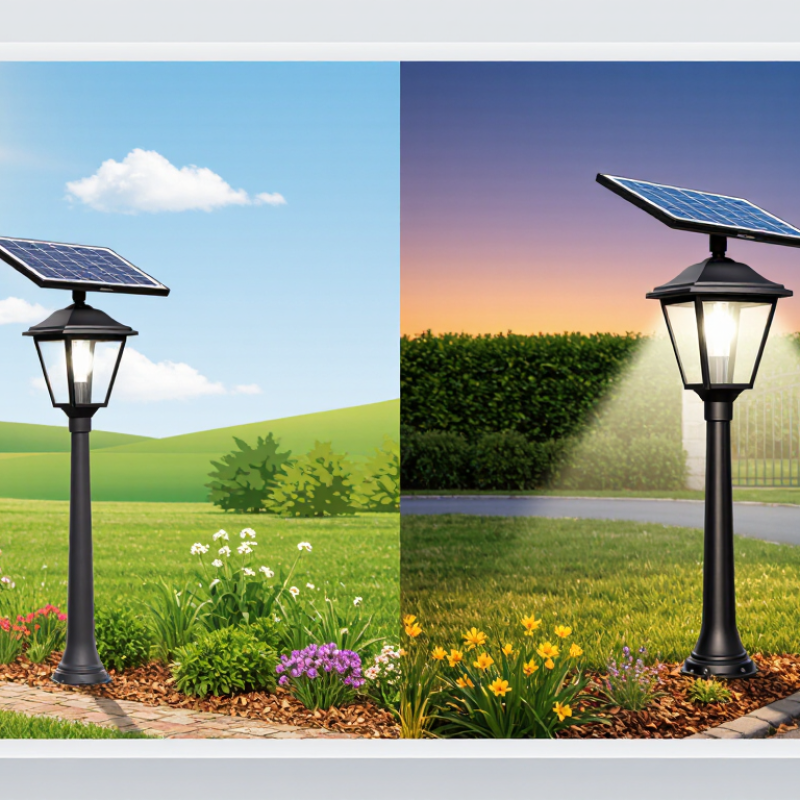
Outdoor lighting should do more than brighten a pathway. It should improve safety, comfort, and the character of a property after sunset. A Solar Lamp Post offers a practical way to create that balance without trenching electrical cables through gardens, driveways, or historic landscaping. During the day, its panel collects sunlight. At night, stored energy powers the lamp, often with automatic dusk-to-dawn controls.

In real installations, performance depends on more than attractive design. Panel exposure, battery capacity, LED brightness, and local weather all matter. A post placed beneath dense trees may receive limited charging, even on clear days. Check the product’s lumen output, IP weather-resistance rating, operating temperature, and replacement battery options. These details reveal more than promotional photographs. A dependable model should provide stable illumination while handling rain, dust, and seasonal changes. Motion sensors can conserve energy near quiet paths, while warm LEDs may feel more welcoming beside patios and entrances.

The answer is not always yes. A shaded courtyard or region with long winter nights may require another lighting solution. That limitation deserves honest consideration. Still, when positioned correctly, a Solar Lamp Post can reduce wiring costs, simplify installation, and support more responsible energy use. It also adds a visible architectural feature, such as a soft pool of light around a garden gate. Careful planning remains essential. Measure the site, observe sunlight throughout the day, and compare verified specifications before buying. Good lighting is not merely bright. It is reliable, suitable, and thoughtfully placed.
Why Choose a Solar Lamp Post for Outdoor Lighting?

What Is a Solar Lamp Post and How Does It Work?

Why Choose a Solar Lamp Post for Outdoor Lighting?

What Is a Solar Lamp Post and How Does It Work?

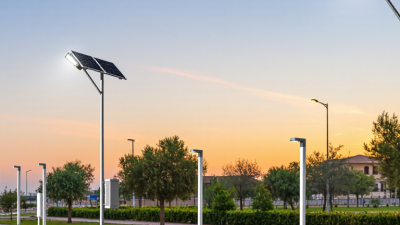
A solar lamp post is an outdoor lighting unit that generates, stores, and uses electricity at the same site. It combines a photovoltaic panel, rechargeable battery, LED luminaire, charge controller, and light sensor. During daylight, PV cells convert sunlight into electrical energy. The controller regulates charging and protects the battery. After dusk, the sensor activates the LED. Motion detection can increase brightness when people approach.

No trenching is required in many installations. That can simplify lighting for paths, parks, parking areas, and remote entrances. The engineering depends on energy balance, not panel size alone. Panel harvest must cover LED demand, battery losses, and cloudy-day reserve. A useful sizing check records winter sunlight, shadows, operating hours, and target illuminance. The U.S. Department of Energy reports that LEDs use at least 75% less energy than incandescent lamps. It also reports lifespans up to 25 times longer.

Industry context matters. The International Energy Agency’s Renewables 2024 report says solar PV supplied nearly three-quarters of new renewable capacity added globally in 2023. That trend supports wider solar deployment, but it does not guarantee every lamp performs well. Field commissioning often reveals dust, snow, battery aging, and tree growth. I would allow conservative winter autonomy and easy maintenance access. The imperfect part is unavoidable. A lamp may dim before dawn. Measured site data should outweigh optimistic specifications.

Key Benefits of Solar Lamp Posts for Outdoor Lighting

Why Choose a Solar Lamp Post for Outdoor Lighting?

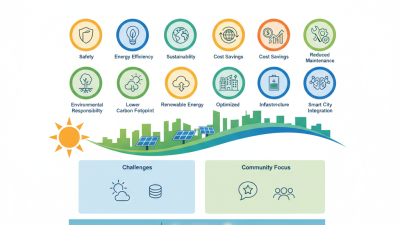
Solar lamp posts combine practical lighting with simpler installation. They collect sunlight through a photovoltaic panel and store energy in an internal battery. After dusk, efficient LEDs illuminate paths, driveways, gardens, and entrances without trenching for electrical cables. This can reduce disruption to lawns and hardscapes. It also helps property owners avoid adding wiring where grid access is limited. No digging is required.

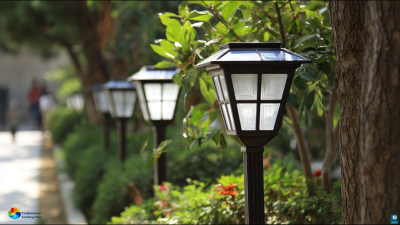
In field installations, technicians often notice the maintenance advantage first. There are fewer exposed cables, switches, and underground connections to inspect. Motion sensors or dusk-to-dawn controls can reduce unnecessary operation and preserve battery capacity. A well-positioned lamp post can cast useful light across a walkway while limiting glare into nearby windows. The result feels safer, but not overly bright.

Solar lighting is not flawless. Shade from trees, short winter days, dust, and heavy rain can reduce performance. Placement matters greatly. A panel facing open sky usually charges more consistently than one under a roof edge. Battery quality and weather sealing also deserve careful attention. I would not install a solar lamp post based on appearance alone. Check local sunlight patterns, expected brightness, replacement parts, and the post’s wind resistance. Small details matter.

Factors to Consider Before Choosing a Solar Lamp Post

Why Choose a Solar Lamp Post for Outdoor Lighting?

Factors to Consider Before Choosing a Solar Lamp Post

Choosing a solar lamp post starts with observing the installation site. Check how many hours of direct sunlight reach the panel daily. Nearby trees, walls, and roof overhangs can reduce charging performance. A shaded panel may leave the lamp weak after several cloudy days.

Think about brightness, coverage, and purpose. A pathway needs gentle guidance, while a driveway needs clearer visibility. Review the light output, beam direction, and color temperature before purchasing. Very bright lighting is not always better. It can create glare and disturb nearby homes.

Battery quality also deserves careful attention. Ask about expected operating time, charging duration, and replacement access. In cold or humid regions, battery performance may change noticeably. Weather protection matters too. Look for a suitable ingress protection rating, sealed connections, and corrosion-resistant materials. Outdoor fixtures face rain, dust, insects, and accidental impacts.

Installation conditions can affect long-term reliability. Firm ground support is essential, especially in windy areas. Measure the post height and check whether nearby branches may touch it. Local outdoor-lighting rules may also limit placement or brightness. Do not ignore maintenance. Panels collect dust and pollen, so occasional cleaning improves charging.

I have found that appearance can influence decisions too much. A beautiful post may still provide poor winter performance. This is easy to overlook. Compare seasonal sunlight, warranty terms, service access, and total ownership cost. A careful choice may feel less exciting, but it usually performs more consistently.

How to Select the Right Solar Lamp Post for Your Space

Why Choose a Solar Lamp Post for Outdoor Lighting?

Selecting the right solar lamp post starts with the space, not the appearance. Measure the pathway, driveway, or garden edge first. A narrow walkway may need 300–600 lumens, while a broad entrance often requires more. The U.S. Department of Energy reports that LED lighting uses at least 75% less energy than incandescent lighting and lasts up to 25 times longer. Solar power adds independence from underground wiring, but performance still depends on sunlight. The IEA Photovoltaic Power Systems Programme notes that shading, seasonal sunlight, and panel orientation strongly affect solar output.

Look for a panel with clear specifications, a replaceable battery, and an outdoor rating such as IP65. Battery capacity matters more during cloudy weeks. A lamp that shines brightly for one evening may disappoint later. Choose warm light around 2700–3000K for residential gardens. DarkSky International encourages warmer outdoor lighting to reduce glare and disturbance. I have found that taller posts spread light farther, but they can create darker gaps near the ground. That detail is easy to miss.

Tips: Track sunlight for one full day before installation. Avoid trees, walls, and roof shadows. Compare dusk-to-dawn runtime, not only lumen output. Check whether the panel angle can be adjusted. Specifications can mislead. A modest lamp in the right location may outperform a powerful lamp placed carelessly.

Installation and Maintenance Requirements for Solar Lamp Posts

Why Choose a Solar Lamp Post for Outdoor Lighting?

Solar lamp posts can reduce trenching and simplify outdoor lighting projects. Their performance depends heavily on correct installation. Before installation, inspect the site during both daytime and evening. Choose a location with direct sunlight and minimal shade from trees, walls, or buildings. In most northern locations, the panel should face the sun’s strongest daily exposure. Follow local structural and electrical requirements. Check the soil carefully, because loose ground may require a deeper footing or reinforced base. The post must remain stable during wind and heavy rain.

Installation should follow the manufacturer’s technical instructions, even when the system appears simple. Use corrosion-resistant fasteners and keep the solar panel clear of dirt. Seal cable entries properly. If concrete is used, allow sufficient curing time before mounting the post. A level base prevents uneven lighting and unnecessary stress on the structure. I once underestimated ground slope during a small installation. The lamp leaned slightly. That small error became obvious after rain. It was avoidable.

Maintenance is straightforward but should not be ignored. Clean the panel several times yearly with water and a soft cloth. Avoid abrasive cleaners that can scratch its surface. Inspect fasteners, wiring, and protective covers for looseness or damage. Replace the battery only with a compatible specification. Record service dates and noticeable changes in brightness. In cold regions, performance may dip during long, cloudy periods. That is normal. However, repeated dim lighting may indicate shade, battery aging, or a charging fault. Have a qualified technician check persistent electrical problems.

Go to Top