What Is a Solar Street Light and How Does It Work?

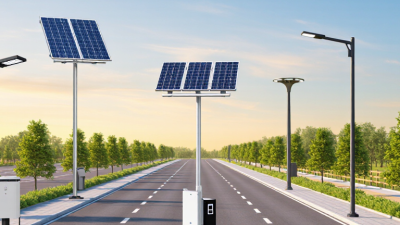
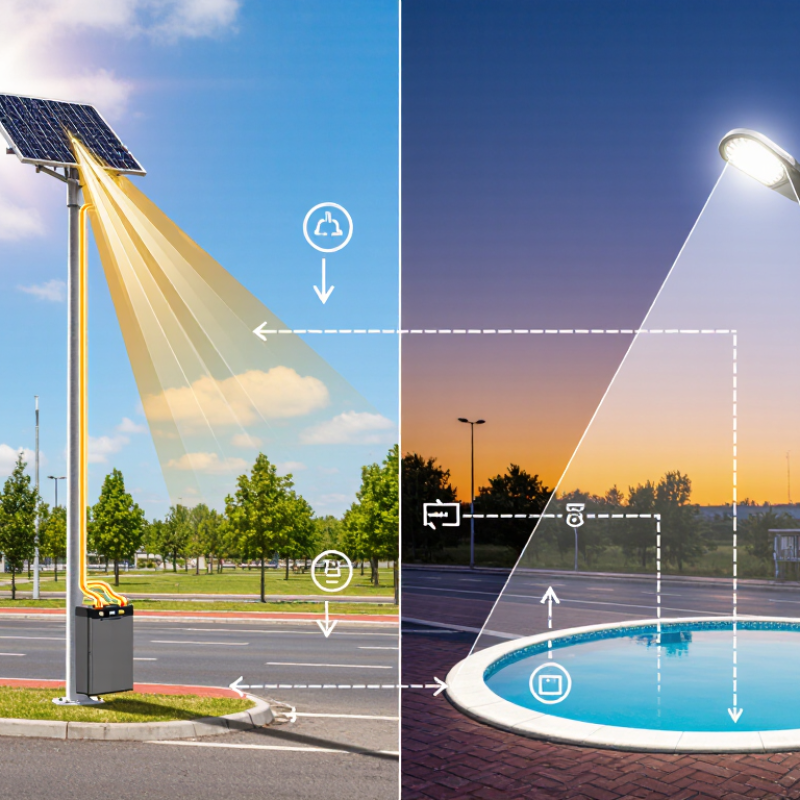
Solar Street Lights turn sunlight into dependable illumination after dark. A photovoltaic panel captures sunlight during the day and converts it into electricity. A charge controller manages that power and stores it in a battery. At night, a sensor or timer signals the controller to switch on an efficient LED fixture. The process is simple to picture: sunlight on the panel, stored energy in the battery, and a pool of light on the pavement.

As consumer advocate Ralph Nader once put it, “The use of solar energy has not been opened up because the oil industry does not own the sun.” His observation concerns solar energy broadly, not street-light design, but it points to a useful question: how can local sunlight serve a practical need? The answer depends on more than the panel. Battery capacity, shade, weather, fixture output, and operating hours all affect performance. A tree that barely shades a panel in summer may cast a long shadow in winter.

No trenching is needed for many standalone installations. But that does not make every site easy. Poor placement or an undersized battery can leave a path dim before dawn. Looking closely at how each component works helps explain both the appeal and the limits of Solar Street Lights. The details matter. Real-world results deserve careful checking, not just bright promises. This guide follows the energy step by step, from daytime charging to nighttime illumination, while noting where design choices can change the outcome.
What Is a Solar Street Light and How Does It Work?

What Is a Solar Street Light?

A solar street light is an outdoor lighting system that generates and stores its own electricity. A photovoltaic panel converts daylight into electrical energy, which a charge controller directs to a rechargeable battery. After dusk, the battery powers an LED lamp, often through a controller that switches it on automatically. Some systems also use light or motion sensors to adjust operation.

Self-contained by design.

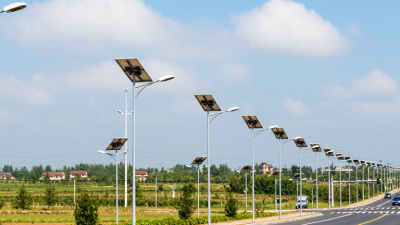
The panel, battery, lamp, and controls are typically mounted on a pole or housed nearby. On a clear afternoon, a panel collects sunlight above the street. Nearby trees, dust, or a low winter sun can reduce charging. Battery size and local weather affect how reliably the light runs through cloudy nights.

During a site assessment, installers consider shade, required nighttime hours, and safe access for cleaning or battery service. That matters.

These lights can avoid the need for grid cabling, but they are not maintenance-free: batteries age, and panels need occasional cleaning. Actual performance depends on the system and location, so specifications should reflect local conditions rather than promise identical runtime everywhere.

What Are the Main Components of a Solar Street Light?

A solar street light is built around a few parts that must work together. The photovoltaic panel converts daylight into electricity, even on cloudy days, though output usually falls. A charge controller regulates power moving between the panel and battery. It helps prevent overcharging and manages energy for nighttime use. At dusk, a light sensor or controller signals the LED lamp to switch on. Small detail, big impact. A well-designed fixture can also dim the LED when streets are quiet, saving stored energy.

The battery stores electricity for night-time operation and periods of poor sunlight. Its capacity should suit the lamp’s power, expected operating hours, and local weather. A pole supports the panel and lamp, while a sealed housing protects electrical parts from rain, dust, and heat. Wiring connects these components, and secure connectors matter; loose connections can interrupt charging. Some systems include motion sensors or remote monitoring, but these add complexity. One trade-off is easy to overlook: a larger panel or battery may improve reliability, yet raises cost and weight. Actual performance depends on shade, installation angle, temperature, and maintenance. A clear panel can still collect grime.

What Is a Solar Street Light and How Does It Work?

A solar street light converts sunlight into electricity during the day, stores energy in a battery, and uses it to power an LED light at night. A charge controller manages charging and helps protect the battery.

Example daily energy balance: A 200 W solar panel receiving 4 peak sun hours with a 75% system performance factor generates about 600 Wh. A 100 W LED operating for 6 hours uses 600 Wh. A 12.8 V, 100 Ah battery stores 1,280 Wh nominally; at 80% usable depth of discharge, about 1,024 Wh is available. Actual output and runtime vary with sunlight, weather, equipment, and settings.

Main components: solar panel, charge controller, rechargeable battery, LED luminaire, and a pole or mounting structure. A light sensor or controller can switch the lamp on at dusk and off at dawn.

How Does a Solar Street Light Charge During the Day?

A solar street light charges through a photovoltaic panel, usually mounted on top of the pole or nearby. During daylight, sunlight creates direct-current electricity in the panel’s cells. Wires carry this power to a charge controller, which regulates the flow into the rechargeable battery. The controller helps prevent overcharging and may also protect the battery from excessive discharge. The battery stores energy for the lamp to use after sunset. Even on a bright day, charging can be slower if the panel is dirty, shaded, or poorly angled.

Tips: Check the panel for leaves, dust, and bird droppings. Clean it gently with water and a soft cloth when needed. Keep nearby branches from casting shadows across it, especially during the hours when sunlight is strongest.

Cloudy weather does not always stop charging, but it usually reduces the energy collected. Short winter days can also leave less time to replenish the battery. A light that runs for fewer hours may need better panel exposure, a healthy battery, or a suitable system size. It is tempting to blame the battery straight away; shade is sometimes the quieter problem. Small details matter.

What Is a Solar Street Light and How Does It Work? - How Does a Solar Street Light Charge During the Day?

System Part or Stage What Happens During the Day Key Factors Practical Note
Solar panel Photovoltaic cells convert sunlight into direct-current (DC) electricity. Sunlight intensity, panel orientation, shading, temperature, and panel condition. The panel’s rated output is measured under standard test conditions; actual output changes with weather and site conditions.
Charge controller Regulates power from the panel and directs suitable charging current to the battery. Controller type, system design, battery state of charge, and charging limits. MPPT and PWM are two common controller approaches; the appropriate choice depends on the system design.
Battery Stores electrical energy for the LED light to use after sunset. Battery chemistry, capacity, temperature, age, and current charge level. Solar street lights commonly use rechargeable lithium-based or lead-acid batteries, selected to suit the design.
Charging through the day As long as usable solar power is available, the controller can charge the battery according to its charging profile. Available sunlight and energy use by any other connected loads. Charging may be slower on cloudy days, in shade, or when the battery is nearly full.
Automatic lighting control A light sensor or controller detects changing ambient light and manages the day–night operating cycle. Sensor settings, programmed schedules, and system configuration. Many systems keep the LED off during daylight and switch it on when it gets dark.
Night-time operation The battery supplies power through the controller to the LED light. Battery charge, LED power, operating hours, and any dimming schedule. Dimming or motion-based controls can reduce energy use, depending on the system’s settings and design.
Factors affecting daily charging The energy collected varies over the day and from one day to another. Season, latitude, cloud cover, shade, dust or dirt on the panel, and panel angle. Keeping the panel clear of obstructions and following the system’s maintenance guidance can help it capture sunlight effectively.

How Does a Solar Street Light Operate at Night?

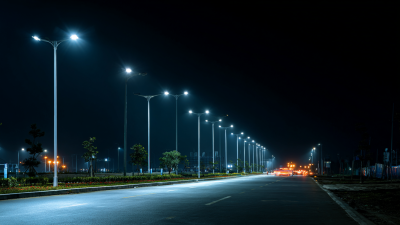
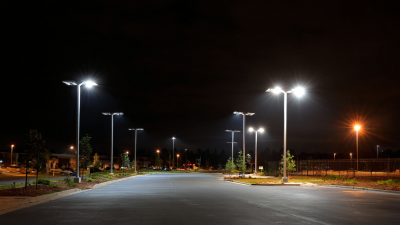
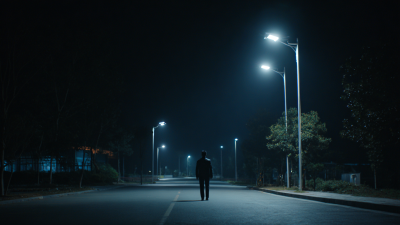
When daylight fades, a light sensor signals the controller to switch on the LED. The solar panel is no longer producing useful power, so the system draws energy stored in its rechargeable battery. No sunlight is needed then. The controller regulates the flow of electricity and may reduce brightness when the battery charge is low. Some systems also dim the lamp during quiet hours or brighten it when motion is detected, but these features depend on the design.

On a clear evening, the lamp may stay bright for much of the night. After several cloudy days, it may dim earlier or switch off before dawn. Battery capacity, panel size, temperature, and the local season all affect runtime. In practice, even a well-designed light can have a disappointing night if its panel is shaded by a tree or coated with dust. A technician can check the battery, wiring, and sensor when performance changes; the sensor’s position matters, too. Nearby lamps or bright windows can sometimes delay activation. That detail is easy to overlook.

What Factors Affect Its Performance?

What Is a Solar Street Light and How Does It Work?

What Factors Affect Its Performance?

A solar street light collects daylight through a photovoltaic panel, stores energy in a battery, and powers an LED after dark. Its nightly output depends on more than the panel’s rated wattage. Sunlight exposure matters. Nearby buildings, tree branches, dust, and panel angle can reduce charging. Even partial shade may cut energy collection more than expected, so inspect the site across seasons.

Battery capacity and condition affect how long the light runs, especially after several cloudy days. Cold temperatures can reduce available battery output, while heat may speed battery aging. The LED’s efficiency, beam pattern, pole height, and spacing also shape how much usable light reaches the road. A bright fixture can still leave dark patches if its optics or placement are poorly matched to the street. Small details count.

Controls influence performance too. Dimming during quiet hours can conserve stored energy, but settings should preserve visibility where people walk or drive. Rain and dust may collect on panels, so occasional cleaning and checks for loose connections are practical. A specification sheet cannot fully predict local results; measuring light levels after installation may reveal problems that planning missed. That gap is worth noticing.

Go to Top