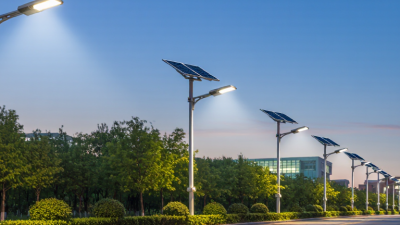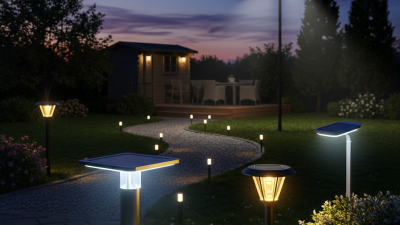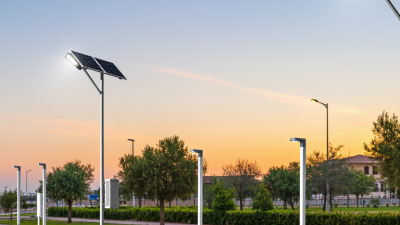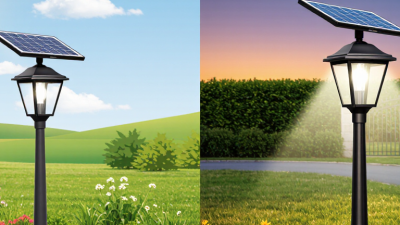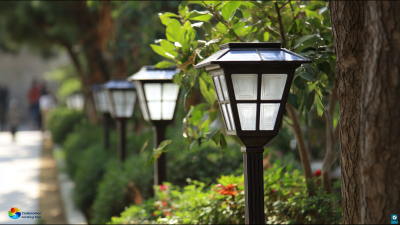
Choosing the right Solar Pole Lights involves more than comparing brightness or exterior design. A light may look powerful in a product photo, yet perform poorly beneath trees or after several cloudy evenings. This guide explains how to assess solar panel quality, battery capacity, LED output, weather resistance, installation height, and control settings. It also considers the location. A driveway needs dependable coverage, while a garden path may need softer illumination. Practical details matter. Pole height changes the light’s spread. Panel angle affects charging. Battery age reduces overnight performance. These points are easy to overlook. They should not be.
Reliable selection begins with evidence, not attractive claims. Check verified specifications, warranty terms, protection ratings, replacement options, and independent customer feedback. Look for testing information when available, especially for rain exposure and repeated charging cycles. A higher lumen rating is not automatically better. Excessive glare can make steps and obstacles harder to see. Installation also deserves attention, because unstable ground or poor spacing can reduce safety and performance. There is no universal winner. A premium model may disappoint in deep shade, while a modest light may work well in an open yard. Some recommendations remain uncertain without observing the site in every season. Careful comparison, realistic expectations, and a willingness to adjust placement create a more dependable result.
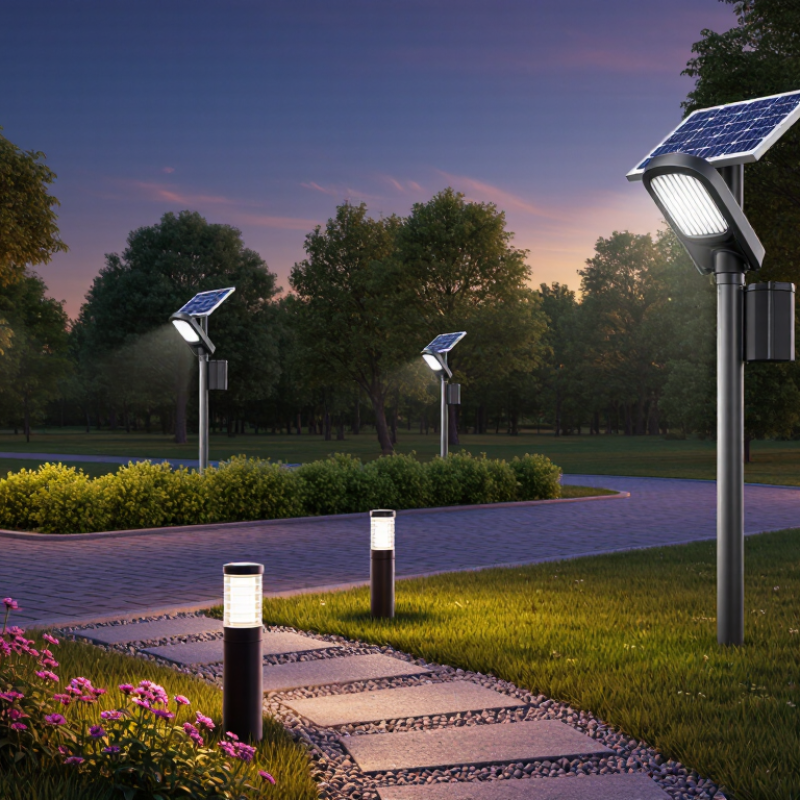
Choosing the best solar pole light starts with the site, not the fixture. Define the task first: pathway guidance, security, parking, or roadway visibility. Each purpose needs different brightness, beam spread, mounting height, and spacing. The Illuminating Engineering Society recommends designing around visual tasks and maintained illuminance, rather than relying on advertised lumens alone. More light is not always better.
Inspect the installation environment at several times of day. Note tree shade, nearby buildings, dust, snow, and seasonal sun changes. A solar panel under afternoon shade may receive much less usable energy than expected. The Global Solar Atlas provides location-based solar irradiation data, while the International Energy Agency’s Renewables 2024 report shows continued rapid growth in photovoltaic deployment. The technology is proven, but local conditions still decide performance. Battery capacity should cover the longest low-sun period, not only an average summer night.
Check pole height, ground conditions, drainage, and maintenance access before choosing equipment. The U.S. Department of Energy’s solid-state lighting research reports laboratory LED efficacies above 200 lumens per watt, but complete outdoor systems perform lower after optics, temperature, and battery losses. That difference matters. I would also test one unit overnight before installing many. A map can miss shadows. A specification sheet can hide them. Select corrosion protection, glare control, and lighting controls for the actual environment, even when the cheaper option looks convincing.
Choosing the best solar pole light starts with comparing its design, not just its appearance. Integrated models place the panel, battery, and LEDs in one housing. They are clean, simple to install, and suitable for driveways or garden paths. Split-type lights separate the panel from the lamp. This design works better beside tall walls or shaded trees because the panel can face direct sunlight. Retrofit solar lights are another option. They can upgrade existing poles, but their mounting sizes may not match every fixture.
Brightness and operating time need careful comparison. Check the lumen rating, not only the number of LEDs. A light producing 300 lumens may suit a walkway, while a larger entrance may need more. Motion sensors save stored energy by increasing brightness only when movement occurs. Dusk-to-dawn models provide steadier illumination, although cloudy weather can shorten their runtime. A practical test is useful. Observe the light after two cloudy nights.
Battery quality also matters. Look for rechargeable batteries with a replaceable design and suitable cold-weather performance. The solar panel should face unobstructed sunlight for several hours daily. Check the IP rating when rain, dust, or snow is common. Higher protection usually supports outdoor reliability, but it does not guarantee perfect performance. My first choice once focused too much on decorative shape. The shadowed panel reduced charging noticeably. A better decision considers pole height, winter sunlight, installation direction, and access for future cleaning or battery replacement.
Evaluate each solar pole light as a complete system, not as a decorative fixture. Start with the panel’s rated power and type. A larger panel usually collects energy faster, but placement matters more. Check the pole’s daily sunlight exposure, nearby trees, and seasonal shade. In cloudy regions, published charging times may feel overly optimistic. Ask for measured runtime under realistic weather conditions.
Battery performance determines whether the light survives long nights. Compare capacity in watt-hours, not only milliamp-hours. Confirm the expected runtime at the selected brightness. A light lasting twelve hours at low output may last only six hours at full brightness. Battery chemistry also matters. Lithium iron phosphate batteries generally tolerate frequent cycling and heat better than many basic alternatives. Still, cold temperatures can reduce available energy. That detail is easy to overlook.
Lighting performance requires more than a high lumen number. Check beam angle, color temperature, glare control, and mounting height. A narrow beam may brighten a pathway but leave the surrounding area dark. Warm light often feels more comfortable near homes, while neutral light can improve visibility. Look for an automatic dusk sensor and adjustable brightness settings. Weather resistance should include a clear IP rating, though installation quality remains important. Test the fixture after several cloudy days. Specifications are useful, but real shadows, dirt on the panel, and winter darkness can expose weaknesses. A perfect-looking specification sheet may still disappoint on site.
How to Choose the Best Solar Pole Lights?
Material choice affects every later decision. Aluminum housings resist corrosion and reduce pole weight, while stainless steel offers stronger protection in coastal air. I have sometimes overvalued a bright first impression. That can be misleading. The National Renewable Energy Laboratory reports a median photovoltaic degradation rate of about 0.5% annually. Therefore, inspect panel quality, battery access, and replacement design, not only initial brightness.
Safety should be visible in the specifications. Check compliance with IEC 60598-1 for luminaire safety and IEC 62471 for photobiological risk. A well-designed light should prevent exposed wiring, sharp edges, and unstable mounting. Choose an IP65 or higher enclosure for outdoor installations. Under IEC 60529, IP65 means dust-tight protection and resistance to water jets. It does not mean immunity from flooding or poor drainage. Small distinction. It matters.
Weather resistance also depends on installation details. Use sealed cable entries, corrosion-resistant fasteners, and a pole foundation suited to local wind conditions. The U.S. Department of Energy commonly lists LED useful life between 25,000 and 50,000 hours, but heat can shorten performance. Keep the panel free from leaves, bird deposits, and winter snow. A shaded location may look attractive beside a tree, yet it can reduce charging significantly. Check seasonal sunlight before purchase. I would also question vague claims such as “all-weather” without test standards, temperature ranges, or warranty terms.
| Evaluation Dimension | Recommended Specification | Why It Matters | Practical Check |
|---|---|---|---|
| Main Housing Material | Powder-coated aluminum or 304 stainless steel; avoid thin, unprotected steel in wet locations. | Aluminum resists corrosion and keeps the fixture relatively lightweight. Stainless steel provides higher impact and corrosion resistance. | Check the material specification, coating quality, wall thickness, and whether cut edges are sealed. |
| Solar Panel Type | Monocrystalline silicon with a typical conversion efficiency of approximately 18%–23%. | Higher-efficiency panels can generate more energy from the same surface area, especially where installation space is limited. | Look for the panel wattage, efficiency rating, protective cover, and a clear, unobstructed installation position. |
| Battery Chemistry | Lithium iron phosphate (LiFePO4) is generally preferred for outdoor lighting. | LiFePO4 batteries offer good thermal stability, usable cycle life, and improved safety compared with many conventional lithium-ion chemistries. | Confirm battery capacity in Wh or Ah, operating temperature range, replaceability, and protection against overcharge and over-discharge. |
| Lighting Output | Select lumens according to the area: approximately 300–800 lm for pathways and 800–2,000 lm for larger outdoor spaces. | Lumens indicate the total visible light output and are more useful for comparison than wattage alone. | Check the measured lumen output, beam angle, light distribution, and whether the figure is initial or maintained output. |
| Color Temperature | Warm white: 2,700–3,000 K; neutral white: 3,500–4,100 K; cool white: 5,000–6,500 K. | Warm light is more comfortable for residential areas, while neutral or cool light can provide a sharper appearance for security and utility areas. | Choose a consistent color temperature and consider glare, nearby homes, wildlife, and local lighting requirements. |
| Operating Time | At least 8–12 hours after a full day of adequate sunlight; longer reserve capacity is useful in cloudy climates. | Actual runtime depends on sunlight, panel size, battery capacity, LED power, temperature, and lighting mode. | Ask for runtime at the selected brightness level, not only the maximum runtime in a low-power mode. |
| Ingress Protection | IP65 minimum for most outdoor installations; IP66 or IP67 may be preferable in exposed or flood-prone locations. | The first digit indicates dust protection, and the second digit indicates water protection. Higher ratings provide greater protection against outdoor exposure. | Verify that the rating applies to the complete assembled fixture, including connectors and battery compartments. |
| Wind Resistance | Use a pole, foundation, and fixture designed for the local wind conditions; exposed locations may require engineering calculations. | Wind load depends on pole height, fixture area, mounting method, terrain, and local design standards. | Check the maximum rated wind speed, pole diameter, anchor-bolt layout, foundation details, and installation instructions. |
| Temperature Performance | Choose a fixture with a declared operating range suitable for the site; many outdoor products specify approximately −20°C to 50°C. | Cold weather can reduce battery capacity, while high temperatures can accelerate battery aging and affect electronics. | Compare the stated operating range with local seasonal temperatures and ensure adequate ventilation around the battery. |
| Electrical Safety | Use protected low-voltage circuitry with overcharge, over-discharge, short-circuit, and over-temperature protection. | Protection circuits help reduce the risk of battery damage, overheating, electrical faults, and premature component failure. | Look for documented electrical safety testing, secure cable glands, insulated terminals, and accessible but sealed service points. |
| LED Service Life | A rated LED life of 50,000 hours or more is common, provided the fixture has adequate thermal management. | LED lifetime is affected by junction temperature, driver quality, operating current, and environmental conditions. | Check the lumen-maintenance rating, heat-sink design, driver specifications, and warranty conditions. |
| Installation and Foundation | Use corrosion-resistant fasteners, a stable foundation, proper drainage, and a pole height appropriate for the lighting area. | Correct installation improves stability, light distribution, cable protection, and long-term weather resistance. | Confirm foundation dimensions, anchor hardware, pole plumb requirements, service access, and local permit requirements. |
| Maintenance Requirements | Plan periodic cleaning of the solar panel and inspection of seals, fasteners, wiring, and battery condition. | Dust, leaves, snow, corrosion, and loose connections can reduce charging performance and shorten service life. | Choose a design with accessible components, replaceable batteries, clear maintenance instructions, and readily available spare parts. |
Note: The specifications above are typical selection ranges for outdoor solar pole lights. Actual performance depends on local sunlight, shading, climate, installation quality, operating settings, and applicable safety standards.
Choosing the best solar pole light starts with total ownership cost, not the lowest purchase price. A cheaper unit may use a smaller battery, weaker photovoltaic panel, or less durable housing. Those savings can disappear after repeated battery replacements. IRENA’s Renewable Power Generation Costs report states that utility-scale solar photovoltaic electricity averaged about $0.044 per kWh globally in 2023. However, small lighting systems face different economics, including installation, storage, and servicing costs.
Check the site before comparing models. Record winter sunlight, pole height, required illumination, and nearby shading. A practical design should provide several cloudy nights of autonomy. Battery chemistry also matters. Lithium batteries usually offer longer cycle life and lower routine maintenance, while sealed lead-acid units may cost less initially. My first estimate often fails here: I focus on lamp price and underestimate access equipment, transport, and labor.
Maintenance details deserve careful attention. Select panels with accessible surfaces, corrosion-resistant poles, replaceable batteries, and documented protection ratings. The U.S. Department of Energy’s Federal Energy Management Program recommends life-cycle costing for energy projects, rather than judging equipment by initial price alone. Ask for battery replacement intervals, lumen depreciation data, warranty conditions, and spare-part availability. Clean dusty panels twice yearly where conditions require it. Not everywhere. Coastal air may demand more frequent inspections because salt accelerates corrosion. A simple inspection log can reveal dimming, shorter night operation, or water entry before failures become expensive.
Select the best model based on cost and maintenance requirements
This comparison uses typical planning estimates in USD for one solar pole light. The 10-year maintenance allowance includes routine cleaning, inspections, battery replacement, and controller servicing. Electricity costs are excluded because the lights operate from solar energy.