The Ultimate Guide to Choosing Solar Led Lights Tips for Buyers
Choosing the right Solar LED Lights can be a daunting task. These lights have become popular for their energy efficiency and ease of use. With many options available, it's crucial to make an informed choice.
The right Solar LED Lights can transform your outdoor space. Consider brightness, battery life, and design before purchasing. Some lights may not perform well in cloudy weather. It's essential to read reviews and understand the specifications before making a decision.
Don't forget about installation. Some lights are easy to set up, while others might require professional help. Take your time to explore various brands and models. A well-chosen light can enhance security and ambiance. Your investment should reflect your needs and expectations.
Understanding Solar LED Lights: Benefits and Features
Understanding Solar LED lights offers a range of benefits. These lights are powered by sunlight, making them energy-efficient and eco-friendly. A 2022 report from the International Energy Agency noted that solar lighting reduces energy consumption by up to 80% compared to traditional lighting. This translates into lower electricity bills and a smaller carbon footprint for users.
When considering these lights, key features include brightness, battery capacity, and durability. Look for lights with adjustable brightness settings to suit different needs. A robust battery ensures long-lasting performance, even on cloudy days. Not all solar LED lights are built the same. Some may struggle in low daylight conditions.
Evaluate your outdoor space before making a purchase. Measure the areas you wish to illuminate and calculate how many lights you may need. Different environments can affect light performance. For instance, shaded areas may require higher-capacity models. Check for weather-resistant designs if exposed to harsh conditions. Always consider warranty and customer reviews when assessing reliability.
Factors to Consider When Choosing Solar LED Lights
When selecting solar LED lights, several factors are crucial. The brightness level is one such key aspect. LED lights are measured in lumens, and an ideal outdoor solar light should emit at least 100 lumens for visibility. According to a report by Solar Energy Industries Association, the right lumen output significantly affects safety and aesthetics.
Battery capacity is another important consideration. Solar lights typically use lithium-ion or nickel-metal hydride batteries. A quality battery ensures sufficient runtime. A study from the National Renewable Energy Laboratory found that systems with a larger battery capacity provide longer illumination time, especially during cloudy days or winter months.
Last, consider the product’s durability. Solar LED lights need to withstand various weather conditions. High-quality materials such as aluminum or reinforced plastic can extend the product’s lifespan. However, many products fall short in quality, leading to a shorter lifespan than expected. Homeowners should review warranties and customer feedback to avoid disappointment. Always prioritize products that offer detailed user insights and expert evaluations.
Types of Solar LED Lights: Options and Uses
Solar LED lights come in various types, each designed for specific applications.
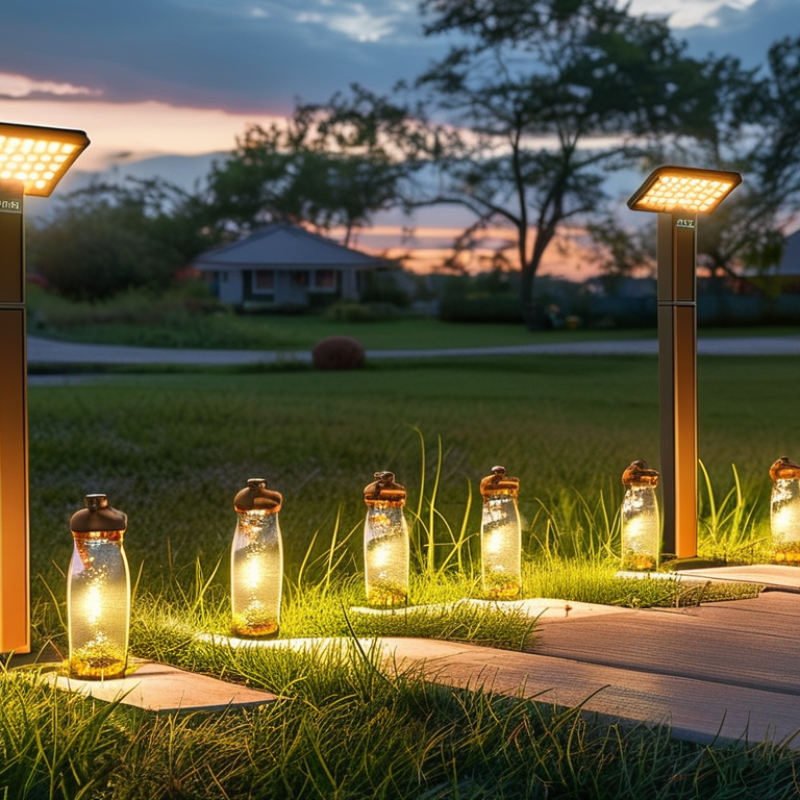
Garden lights are popular for enhancing outdoor aesthetics. They typically feature a stake that allows easy placement in soil.
Flood lights can illuminate larger areas, making them suitable for security or event lighting.
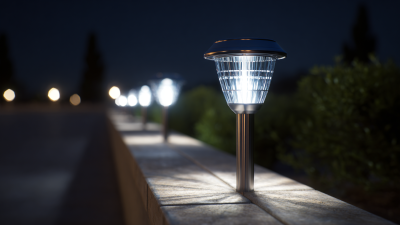
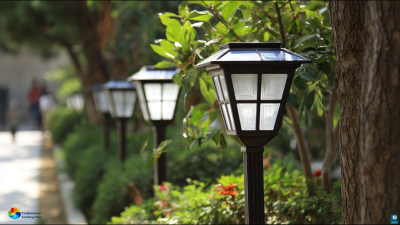
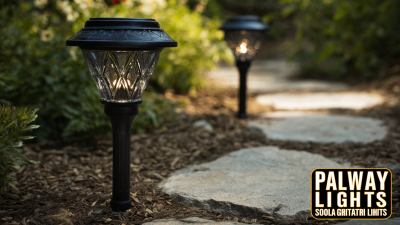
Pathway lights guide the way, providing safety and decoration along walkways.
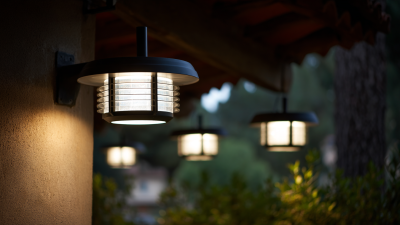
Another option is wall-mounted solar lights. These provide targeted illumination for entryways or patios. Their design often combines functionality with style.
String lights are great for creating a festive atmosphere. They work well for gatherings or holiday decorations.
However, not all solar lights are made equal. Some may lack durability or brightness.
Choosing the right type requires understanding your needs. Consider the location and amount of sunlight available.
Inadequate exposure can reduce effectiveness. Additionally, consumers often overlook the importance of weather resistance.
Reflecting on installation and maintenance needs can also be beneficial.
It's essential to weigh these factors for a satisfying purchase.
Evaluating Quality and Performance of Solar LED Lights
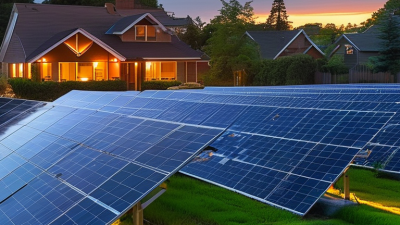
When evaluating the quality and performance of solar LED lights, key factors come into play. The solar panel's efficiency often dictates how much sunlight is converted into energy. Reports indicate that panels with an efficiency rating of 18% or higher tend to yield better performance. Consider lights that utilize monocrystalline technology, which offers superior energy conversion compared to other panel types.
Battery capacity remains another critical aspect. A light that has a battery exceeding 2000mAh can often provide longer illumination times. Many models on the market struggle to maintain brightness, especially in cloudy conditions. It's vital to select lights equipped with lithium-ion batteries, which typically last longer and perform better under variable weather conditions.
Additionally, the lumen output plays a significant role in landscaping and security applications. A well-calibrated light should produce between 200 to 1000 lumens. Inadequate lumen ratings can lead to disappointment in outdoor spaces, as lights may not effectively illuminate target areas. Take time to assess user reviews and performance reports; they offer insights beyond technical specifications. Real-world experiences reveal that even popular models occasionally fall short, requiring potential buyers to weigh the pros and cons carefully.
Tips for Installation and Maintenance of Solar LED Lights
When installing solar LED lights, location is crucial. Choose areas that receive ample sunlight during the day. A south-facing direction is usually ideal. Take note of any obstructions such as trees or buildings. They can cast shadows and reduce efficiency. You may need to adjust your initial plan based on these factors.
Proper installation involves securing the lights firmly. Ensure all components, like brackets and screws, are tightly fitted. It’s important to follow the manufacturer’s instructions closely. Over time, solar panels can collect dirt, which diminishes their performance. Regular cleaning can help maintain their effectiveness. Use a soft cloth and mild soap to clean the panels safely.
Maintenance also covers checking battery performance. Batteries typically last a few years, but performance may drop due to extreme temperatures. Test the lights periodically to ensure they work as expected. Document any issues you encounter. This record can help identify patterns over time. Reflecting on these challenges can guide future installations or upgrades.
The Ultimate Guide to Choosing Solar LED Lights: Tips for Buyers - Tips for Installation and Maintenance of Solar LED Lights
| Feature |
Description |
Tips |
| Brightness |
Measured in lumens, higher lumens mean brighter light. |
Choose based on the area you want to illuminate. |
| Battery Life |
Duration the light operates after charging. |
Opt for models with at least 8 hours of battery life. |
| Material |
Durability of the light casing, usually plastic or metal. |
Look for materials that can withstand extreme weather. |
| Charging Time |
Time required for solar panels to fully charge. |
Aim for less than 12 hours for efficient charging. |
| Weather Resistance |
Ability to function despite rain, snow, or extreme heat. |
Check IP ratings to ensure adequate resistance. |
| Installation |
Process of setting up the lights. |
Follow manufacturer guidelines for best results. |
| Maintenance |
Keeping the solar lights in good working condition. |
Regularly clean panels and check battery health. |