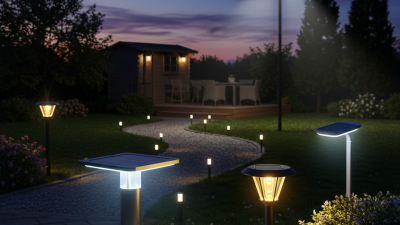
Best Solar Lamps for Sustainable Outdoor Lighting Solutions?
The demand for sustainable outdoor lighting solutions has led to a rise in solar technology. Solar lamps are at the forefront of this movement. Experts, like Dr. Emily Carter, a leading figure in renewable energy, emphasize their importance. She notes, "Solar lamps not only illuminate spaces but also reduce our carbon footprint."
Many homeowners are exploring the benefits of solar lamps. These devices harness sunlight and turn it into energy. This process is eco-friendly and cost-effective. However, selecting the right solar lamp can be challenging. Many options claim to be efficient and durable, but not all live up to the promise.
Quality matters in the solar lamp industry. Some products may not perform well in different weather conditions. Others may lack the durability needed for long-term use. That's why expert recommendations are crucial. These insights can help users make informed decisions. Choosing the right solar lamp can enhance outdoor spaces while contributing to a greener planet.
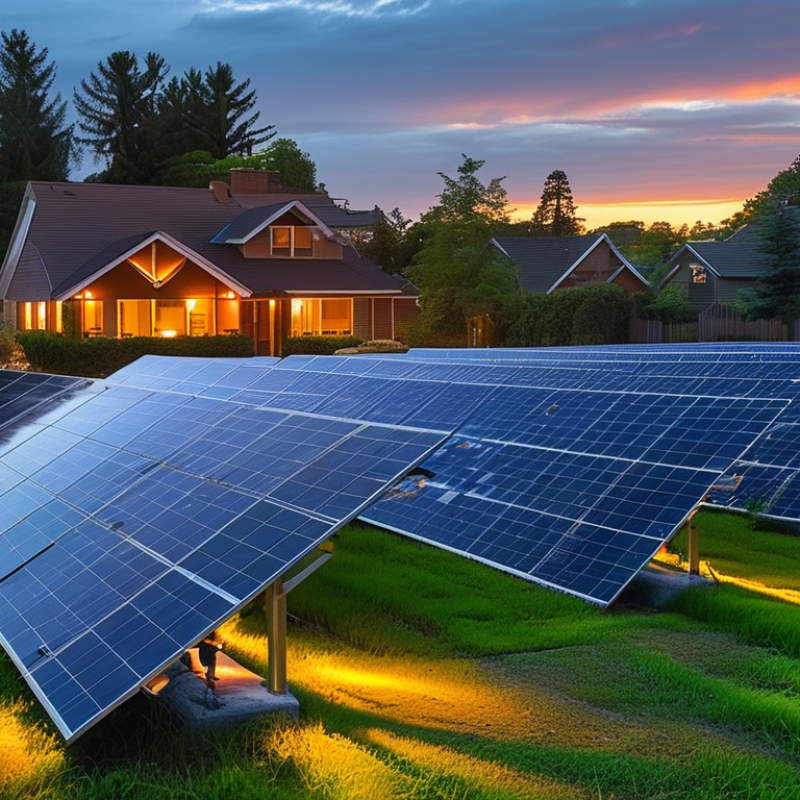
Benefits of Using Solar Lamps for Outdoor Lighting Solutions
Solar lamps are increasingly popular for outdoor lighting. They convert sunlight into energy and light up spaces after dark. This sustainable approach offers several benefits. Solar lamps reduce carbon footprints by using renewable energy sources. They lower electricity bills, making them cost-effective over time.
Installation is simple. You don’t need wiring or complicated infrastructure. Place them where sunlight is abundant. They can illuminate pathways, gardens, or backyards effortlessly. However, placement is crucial. Poor positioning can lead to inefficient charging and reduced brightness. Adjustments may be needed through trial and error.
Solar lamps also promote safety and security outdoors. Well-lit areas deter unwanted visitors. Additionally, they create a warm, inviting ambiance for gatherings. Still, they can be inconsistent in cloudy weather. Battery life and solar panel quality can vary. Regular maintenance, like cleaning panels, is essential to ensure optimal performance. These minor chores can enhance longevity and reliability.
Types of Solar Lamps Suitable for Various Outdoor Settings
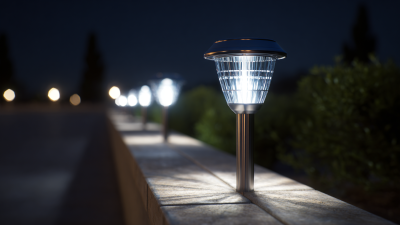
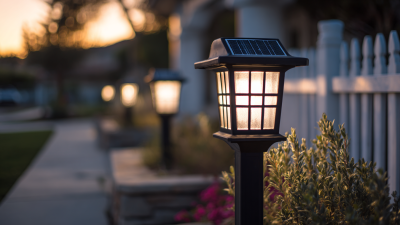
When considering solar lamps for outdoor spaces, it's essential to choose the right type for specific settings. Pathway lights are perfect for illuminating walkways. They guide guests safely during nighttime gatherings. Choose models with a bright lumen output for better visibility. Solar accents can enhance garden features. They create a mesmerizing ambiance. Consider the height and design to complement your landscape.
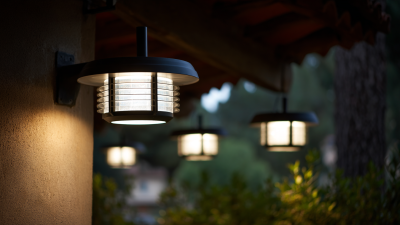
Wall-mounted solar lamps are great for patios. They can be installed easily and provide sufficient light for evening activities. Make sure they receive adequate sunlight during the day. A smart placement can prevent shadows that detract from their effectiveness. Also, solar lanterns add charm to outdoor dining areas. They come in various designs and can be hung or placed on tables.
Tips: Evaluate the solar panel size. A larger panel typically means a quicker charge. Clean the panels regularly to maintain efficiency. For areas with limited sun exposure, opt for solar lamps with battery backup options. These can store energy for cloudy days and ensure a consistent light source. Always check local settings for light ordinances to avoid complaints.
Key Features to Consider When Choosing Solar Lamps
When selecting the best solar lamps, consider several key features to ensure effective and sustainable outdoor lighting. The most essential aspect is brightness. Solar lamps come with lumens ratings. A higher lumen count typically means brighter light. Aim for at least 100 lumens for pathways and 300 or more for larger areas.
Battery capacity is crucial too. The longer a solar lamp can operate, the better. Many lamps utilize lithium-ion batteries, which may last longer and charge faster. Studies show that a good battery can store energy for up to 12 hours. Also, look for weather-resistant designs to ensure durability over time. Rain, snow, and varying temperatures can affect performance.
Tips: Check the solar panel efficiency. Higher efficiency panels convert sunlight better. Additionally, consider the installation ease; some lamps require minimal tools, while others can be tricky.
Finally, think about aesthetics. Some lamps blend in with the landscape. Others may stand out as unique features. Reflecting on personal needs and preferences is vital. Not all lamps meet every requirement, so weigh the trade-offs carefully. Small changes can lead to better choices.
How to Install and Maintain Solar Lamps Effectively
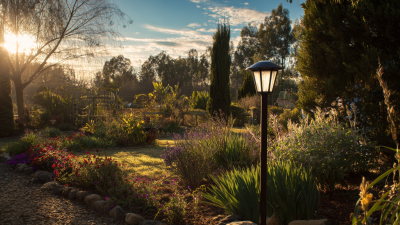
Installing solar lamps can seem daunting, yet with a few straightforward steps, it becomes manageable. Begin by selecting the right location. Aim for spots that receive ample sunlight throughout the day. Consider outdoor areas like gardens or pathways. This ensures optimal charging for nighttime use. Mark the positions before digging any holes for the posts.
Maintenance is crucial for longevity. Regularly check for dirt and debris accumulation on the solar panels. A simple wipe with a damp cloth helps enhance their efficiency. Bulbs may dim over time, indicating the need for replacement. Review the manufacturer guidelines for specifics.
Despite the simplicity, some challenges may arise. Not all lamps perform well in shaded areas. You might need to reposition them based on seasonal changes. Keeping track of battery performance is also vital. If you notice inconsistencies, it might require troubleshooting or replacement parts. Adapting to these factors ensures a more sustainable outdoor lighting experience.
Best Solar Lamps for Sustainable Outdoor Lighting Solutions
Comparative Analysis of Top Solar Lamp Brands on the Market
When considering outdoor lighting, solar lamps have become a preferred choice for many. They offer a sustainable solution that reduces electricity costs. However, not all solar lamps are equal. Certain brands stand out for their unique features and reliability.
Some lamps provide exceptional brightness, which is crucial for safety. Others might focus on design, enhancing the aesthetic of outdoor spaces. Durability is also a factor worth considering. It’s vital to select lamps that can withstand various weather conditions. Testing different brands can help identify which ones perform best over time.
Consumers often report varying experiences with solar lamps. Some models may last longer than expected, while others might fail sooner. Light intensity can fluctuate based on solar exposure. Always consider these variables before making a decision. Finding the ideal solar lamp involves careful research and reflection on personal needs.
Best Solar Lamps for Sustainable Outdoor Lighting Solutions
| Model |
Light Output (Lumens) |
Battery Capacity (mAh) |
Charging Time (Hours) |
Run Time (Hours) |
Water Resistance |
Price Range (USD) |
| Model A |
200 |
3000 |
6 |
10 |
IP65 |
$50 - $70 |
| Model B |
150 |
2500 |
5 |
8 |
IP67 |
$40 - $60 |
| Model C |
300 |
5000 |
7 |
12 |
IP54 |
$80 - $100 |
| Model D |
100 |
1500 |
4 |
6 |
IP45 |
$30 - $50 |