What is a Solar Street Lamp and How Does It Work?
Solar street lamps are revolutionizing urban lighting by utilizing renewable energy. These innovative devices harness sunlight, reducing electricity costs and minimizing carbon footprints. According to Dr. Emily Carter, a leading expert in renewable energy technology, “Solar street lamps are not just fixtures; they symbolize progress towards sustainable cities.”
These lamps consist of solar panels, LED lights, and batteries. The solar panels convert sunlight into electricity, which is then stored in batteries. At night, the LED lights illuminate the streets, providing safety and enhancing visibility. However, not all installations are perfect. Some regions face issues with battery life and sunlight availability.
It's crucial to assess local conditions before implementation. The effectiveness of a solar street lamp largely depends on geographical location and weather patterns. While many cities benefit from this technology, some still struggle to balance innovation with practical challenges. Embracing solar street lamps requires a commitment to investigate and overcome these hurdles for widespread success.

What is a Solar Street Lamp? An Overview of Its Functionality
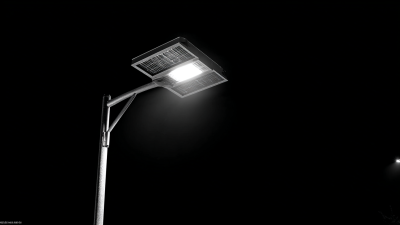
Solar street lamps are innovative lighting solutions that harness the power of the sun. These lamps consist of a solar panel, LED light, battery, and controller. During the day, the solar panel collects sunlight and converts it into electrical energy. This energy is stored in the battery for use at night.
Efficiency is crucial for solar street lamps. Many designs include motion sensors to save energy by turning on only when someone is nearby. This functionality is great for conserving battery life. However, the effectiveness can vary with weather conditions. Cloudy days may hinder solar energy absorption, leading to shorter operational hours.
Installation can be easy, especially in remote areas. However, some places may face challenges. Trees or buildings might obstruct sunlight. It's important to evaluate the outdoor environment before installation. While solar street lamps promote sustainability, they are not a one-size-fits-all solution. Assessing local conditions may lead to better outcomes.
Key Components of Solar Street Lamps: Solar Panels and LED Lights
Solar street lamps have gained popularity due to their eco-friendliness and efficiency. Key components of these lamps include solar panels and LED lights. Solar panels convert sunlight into energy, allowing for sustainable operation without relying on traditional power sources. According to a recent industry report, solar-powered street lighting can reduce energy costs by up to 60%. This significant reduction makes solar street lamps a practical choice for many municipalities.
The LED lights used in solar street lamps are another crucial element. They consume less energy and have a longer lifespan than conventional bulbs. Research indicates that LED lights can last up to 50,000 hours. While these street lamps provide immense benefits, challenges still remain. For instance, unexpected weather can impact solar panel efficiency. Areas with less sunlight may not benefit equally from solar lighting as regions with consistent sun. Addressing these limitations requires ongoing innovations in battery technology and energy storage solutions. The integration of these key components reveals both the potential and the obstacles in advancing solar street lamp technology.
Comparison of Solar Street Lamp Components
How Do Solar Street Lamps Convert Sunlight into Electricity?
Solar street lamps are innovative solutions for outdoor lighting needs. They integrate solar panels, batteries, and LED lights. These components work together to harness solar energy during the day and convert it into usable electricity.
During the day, solar panels absorb sunlight. This energy is then converted into electrical energy through photovoltaic cells. The generated electricity charges the batteries. At night, the stored energy powers the LED lights, providing illumination for streets and pathways.
While solar street lamps are efficient, several factors can affect their performance. Panels can be obstructed by debris or shade. Weather conditions also play a role in energy generation. Regular maintenance is crucial to ensure they function optimally. Not every solar street lamp is the same; some may struggle to provide adequate light in low-sunlight areas. This highlights the importance of choosing the right technology for specific environmental conditions.
Performance Metrics: Brightness, Battery Life, and Solar Efficiency
Solar street lamps are becoming increasingly popular for urban lighting solutions. They operate on a self-sustaining model, relying on solar panels for energy. Key performance metrics such as brightness, battery life, and solar efficiency are crucial in determining their effectiveness.
Brightness is measured in lumens. Displays range widely, with some lamps offering between 300 to 2,000 lumens. For standard street lighting, around 1,000 lumens is often adequate. Battery life, typically ranging from 12 to 30 hours, depends largely on battery capacity and solar panel efficiency. Studies show that high-quality lithium-ion batteries can last up to five years, supporting sustainable energy use.
Solar efficiency is critical for these lamps. Leading reports indicate premium solar panels achieve efficiencies around 20%. This translates to better light generation and extended operational hours. Yet, many installations struggle with subpar solar panels, leading to diminished performance. Regular maintenance and regular assessments are necessary. It’s important to choose solar street lamps designed for specific weather conditions and solar exposures to maximize their potential.
What is a Solar Street Lamp and How Does It Work?
| Performance Metric |
Description |
Typical Values |
| Brightness |
Amount of light emitted by the lamp |
1000-2000 lumens |
| Battery Life |
Duration the lamp can operate on a single charge |
4-12 hours |
| Solar Efficiency |
Effectiveness of solar panels in converting sunlight to energy |
15-22% |
| Operating Temperature |
Temperature range for optimal performance |
-20°C to 60°C |
| LED Lifespan |
How long the LED bulbs last before needing replacement |
50,000 hours |
Advantages of Solar Street Lamps in Urban Lighting Solutions
Solar street lamps are becoming popular in urban environments. They offer a sustainable and eco-friendly solution to street lighting. These lamps harness solar energy through panels, converting sunlight into electricity. This process reduces reliance on traditional energy sources. In an era where sustainability is vital, solar street lamps present a promising alternative.
One significant advantage is energy savings. Solar lamps do not require wires or external power sources. This independence allows for easier installation and lower maintenance costs. Additionally, they provide illumination even in remote areas where electricity access is limited. However, the initial setup cost can be a barrier for some cities. The effectiveness of solar street lamps can depend on local weather conditions, like prolonged cloudy days.
Moreover, solar street lamps contribute to improved urban safety. They illuminate streets at night, making neighborhoods safer for residents. They also reduce the urban heat island effect, as traditional lamps generate heat. Still, the technology is not flawless. Battery life can diminish over time, requiring regular checks. Understanding these factors is crucial for cities considering the switch to solar.