Why Choose an End Dump Truck?
Choosing an End Dump Truck is about more than moving a large load. It affects loading routines, travel time, unloading space, and the pace of a workday. On a gravel site, a driver may need to carry material across uneven ground, then raise the body and discharge it in a controlled area. That simple-looking cycle depends on truck capacity, ground conditions, operator skill, and careful positioning.
The right truck can help crews move aggregates, soil, or demolition debris efficiently. But higher capacity alone does not guarantee better results. A narrow site, soft ground, overhead obstacles, or frequent short hauls can change what works best. Small details matter. Check the payload rating, axle configuration, body design, hydraulic system, and compatibility with the materials being hauled. Maintenance access and parts support deserve attention, too, because downtime can disrupt a whole schedule.
There is no perfect choice for every fleet. An End Dump Truck may suit demanding haul work, yet it may be less practical where turning room or stable dumping ground is limited. That deserves a second look. Compare the truck’s specifications with actual routes and jobsite conditions, and ask operators about visibility, loading, and unloading. Their experience can reveal issues a brochure will not. With realistic planning, buyers can judge whether the truck fits the work, rather than expecting the work to fit the truck.
What Defines an End Dump Truck?
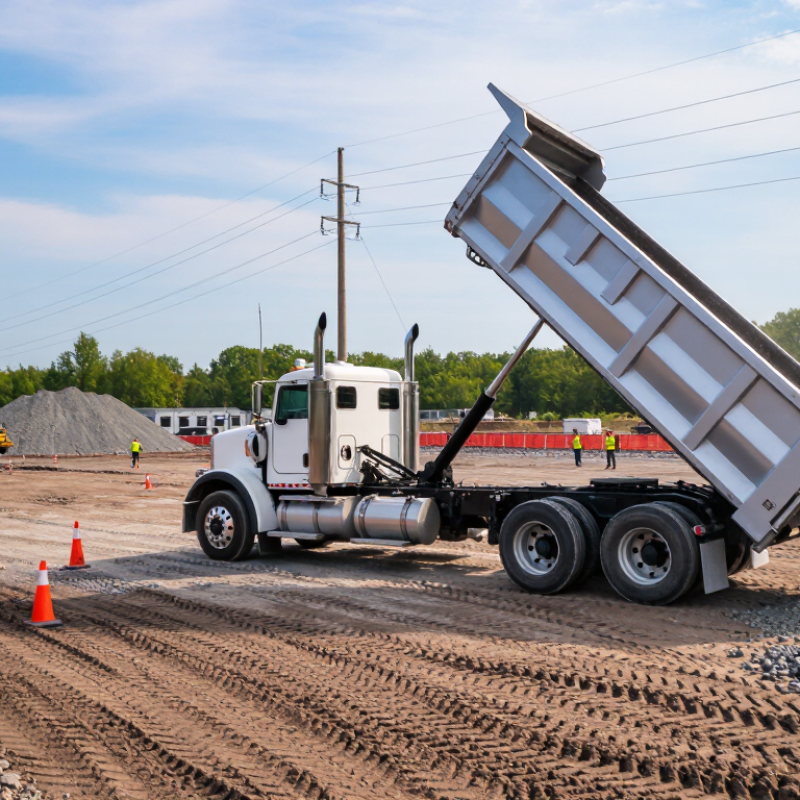
An end dump truck is defined by how it unloads: its cargo body tilts upward at the front, sending material out through the rear. A hydraulic hoist raises the body while a hinge near the back guides its movement. This setup is commonly used for loose materials such as gravel, sand, and soil. The truck may be a single vehicle or a tractor pulling a dump trailer. That is the key distinction. Unlike a side dump, it releases its load behind the vehicle. The definition sounds simple, but real configurations vary, so check the equipment specifications rather than relying on appearance alone.
Tips: Before unloading, choose firm, level ground and check overhead clearance. Uneven soil can make a raised body less stable. Small details matter.
An end dump can unload quickly, but its design also affects where it works best. A narrow space may suit rear discharge, while soft ground or a steep slope can create stability concerns. The raised body catches wind, too. It is easy to focus on payload and overlook these conditions. That would be a mistake. Match the truck and trailer to the material, route, and unloading site, and follow the operator’s manual for setup and safe use.
How Does Its Rear-Unloading System Work?
Why Choose an End Dump Truck?
How Does Its Rear-Unloading System Work?
An end dump truck unloads by lifting the front of its body, rather than pushing material out from the side. A hydraulic cylinder, often telescopic, extends beneath the body and raises it in stages. Gravity moves the load toward the rear gate. Simple in principle. Not effortless.
As the body rises, the tailgate pivots or releases according to its design, creating an exit for gravel, sand, or other bulk material. On some configurations, the load helps swing the gate open; others use controlled latches. The operator should confirm the gate is free before tipping and keep people clear of the discharge area. A slow lift can reveal uneven flow, but it cannot make an unsafe surface stable. Even a slight cross-slope may affect a raised truck’s balance.
Hydraulic pressure raises the body; lowering it returns the cylinder and body to travel position. Before work, check hoses, fittings, hinges, and locking hardware for leaks, cracks, or wear. Sticky clay may cling to the floor, while wet material can release suddenly. That is easy to underestimate. If the body rises unevenly or material hangs up, stop and reassess instead of forcing another lift. Follow the truck’s operating instructions, since hoist and gate arrangements vary.
Why Choose an End Dump Truck? — How Does Its Rear-Unloading System Work?
| Topic | How It Works | Why It Matters | Practical Consideration |
| Rear-unloading design | A hydraulic hoist raises the front of the dump body. Material moves toward the rear opening under gravity. | The truck can discharge a bulk load without requiring a separate conveyor or loader to empty the body. | The surface should be firm and reasonably level during tipping; raising a loaded body increases stability risks on soft or uneven ground. |
| Hydraulic lifting system | Hydraulic pressure extends one or more hoist cylinders to lift the body. The operator lowers the body after unloading. | Controlled lifting and lowering make repeated unloading practical on suitable job sites. | The system requires inspection for leaks, damaged hoses, and abnormal operation. Follow the vehicle maker’s operating and maintenance instructions. |
| Tailgate and rear opening | Depending on the body design, the tailgate may open automatically as the body tips or may need to be released by a separate mechanism. | A clear rear opening lets loose material flow out as the body rises. | Gate operation varies by vehicle. Check that the load is not obstructing the opening and that people are clear of the discharge area. |
| Suitable materials | The body carries loose bulk materials such as sand, gravel, soil, or similar aggregates and releases them through the rear. | This layout is useful for construction, earthmoving, and aggregate-hauling tasks where rear placement of a load is suitable. | Wet or cohesive material may cling to the body and discharge unevenly. Material compatibility depends on its condition and the body design. |
| Unloading space | The body tilts upward during discharge, so the truck needs adequate overhead clearance and room behind it for the material. | A suitable unloading area helps the load clear the body and reduces the chance of contact with overhead obstacles. | Check for power lines, structures, trees, and other hazards before raising the body. Keep bystanders away from the truck and discharge zone. |
| Choosing an end dump truck | Select a configuration based on the material, required payload, route, site conditions, and local vehicle regulations. | Matching the truck to the job supports efficient hauling and unloading while accounting for operating constraints. | Payload, body capacity, axle limits, and permitted gross weight vary by vehicle configuration and jurisdiction; verify them for the intended operation. |
Which Materials and Jobs Suit an End Dump Truck?
An end dump truck suits jobs that move loose, heavy materials over short or moderate distances. Common loads include gravel, sand, crushed stone, and dry soil for road building, quarry work, and site preparation. Its rear gate opens as the bed rises, so material can form a windrow or pile quickly. That can save time when crews need to clear a truck and return to the loading area. Demolition debris may also be suitable when the load is within the truck’s rating and contains no oversized pieces that could jam the gate.
Tips: Check the unloading surface before raising the bed. Firm, level ground matters. Soft shoulders, uneven fill, or strong crosswinds can increase the risk of a tip-over. Confirm overhead clearance, too; power lines and tree limbs leave little room for error.
The truck is less suitable for sticky, wet clay, which may cling inside the bed and shift suddenly. Tight urban sites can also be awkward if there is limited room to reverse or unload. A quick site check helps: note ground firmness, slope, turning space, and the distance to the next load. Even experienced operators can misjudge a soft patch. That small uncertainty deserves attention.
Why Choose an End Dump Truck?
Typical bulk density of materials commonly moved on construction and roadwork projects
End dump trucks are well suited to loose materials that can be discharged by tipping, including sand, gravel, crushed stone, topsoil, and asphalt millings. Densities vary with moisture and material grading; confirm the truck’s volume and legal payload limits for each load and route.
What Advantages Can It Offer on the Job Site?
Why Choose an End Dump Truck?
What Advantages Can It Offer on the Job Site?
An end dump truck raises its body to unload material behind the vehicle. This makes it useful for moving gravel, sand, and soil across roadwork and excavation sites. A direct rear discharge can help crews place material along a defined drop zone and keep loading equipment moving. Less waiting can improve the work rhythm. But only when the site is planned well.
The U.S. Environmental Protection Agency’s Inventory of U.S. Greenhouse Gas Emissions and Sinks reports that transportation produced about 28% of U.S. greenhouse gas emissions in 2022. The figure covers all transport, not end dump trucks alone. Still, it highlights why avoiding unnecessary trips and engine idling matters. End dumps can carry substantial loads, but actual payload depends on truck configuration, material density, and site limits. The raised body also needs overhead clearance and firm, level ground. It is not a perfect fit for every site.
Tips: Check overhead wires, ground stability, and the unloading area before raising the body. Keep the drop zone clear. A rushed setup can erase the time saved.
What Should Buyers Consider Before Choosing One?
Choosing an end dump truck starts with the material and route, not the largest advertised payload. Dry aggregate behaves differently from wet clay, which can cling to the body during unloading. Compare payload, body volume, and tare weight with your typical loads. Fit matters. A truck that looks suitable empty may handle poorly on a soft, uneven approach.
Measure the unloading area before choosing a configuration. Check turning room, ground firmness, overhead clearance, and the slope where the body will rise. A raised body needs stable ground and enough clearance; a tight site can make extra capacity impractical. Confirm that the power unit, axles, and tires suit your grades and surfaces. Test it loaded, if possible.
Look closely at the hydraulic system, body condition, brakes, and service records. Ask how routine inspections are handled and whether replacement parts are readily available. Purchase price alone gives an incomplete picture; fuel use, maintenance, downtime, and operator training also affect operating costs. Even a careful spreadsheet can miss muddy access roads or a gate moved last month. A site visit can expose those details.