What is Water Hose Connectors and How to Choose Them?
When it comes to gardening or outdoor maintenance, "Water Hose Connectors" play a crucial role. These connectors serve as the link between your hose and various watering tools. Without the right connectors, you can face leaks, pressure drops, and inefficient watering.
Selecting the best water hose connectors can seem challenging. There are numerous types and materials available, making the choice overwhelming. Many users often overlook the importance of compatibility and durability. This can lead to frustration during use. A poorly fitted connector not only wastes water but can damage both the hose and the connected devices.
Understanding the factors involved in choosing water hose connectors is essential. Quality connectors ensure a tight seal and prolonged use. As you explore your options, consider your specific needs. You may find yourself reassessing your previous choices. Ultimately, investing time in selecting the right connectors can significantly enhance your watering experience.
What Are Water Hose Connectors and Their Purpose?
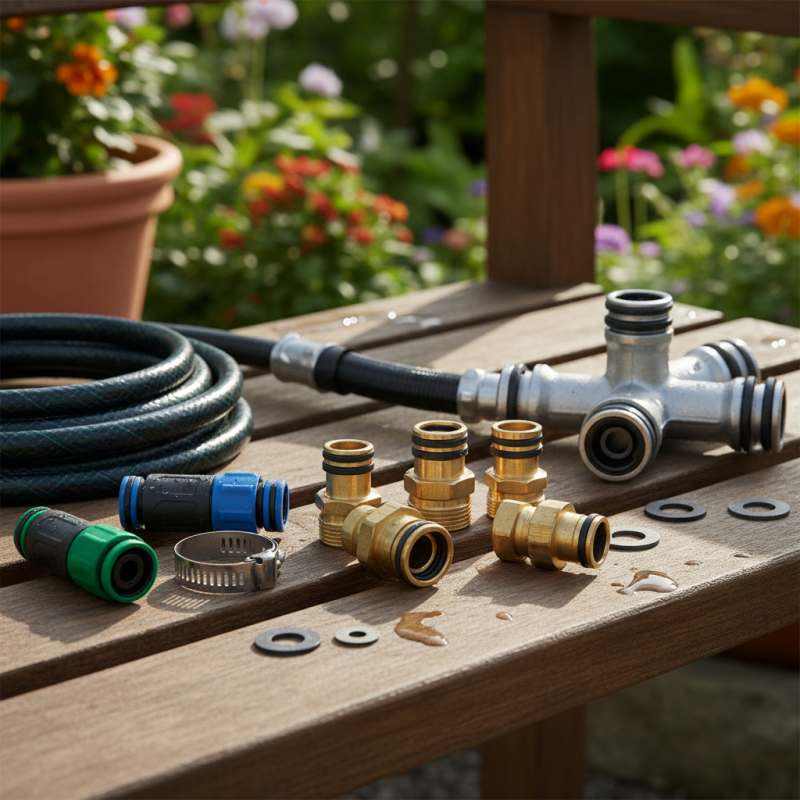
Water hose connectors are essential components in gardening and irrigation. They serve to attach hoses to various tools, faucets, and other hoses. Proper connectors ensure seamless water flow, reducing leaks and pressure loss during use. Reports indicate that nearly 30% of water efficiency issues in gardening stem from poor-quality connectors.
When selecting water hose connectors, consider the material and size. Brass and stainless steel connectors offer durability and rust resistance. Plastic connectors are lightweight but may not withstand high pressure. Ensure the size matches your hose diameter for a snug fit. Choosing the wrong size can lead to water wastage.
Tips: Always check for compatibility before buying. Keep connectors clean to prevent blockages. Replace worn-out connectors promptly to maintain efficiency. Inadequate maintenance may lead to leaks, forcing you to re-evaluate your choices. Regularly inspect joints and hoses for signs of wear and tear. This simple step could save both water and money in the long run.
Types of Water Hose Connectors Available in the Market
When it comes to water hose connectors, there are several types available in the market. The most common are quick-connect fittings, which allow for easy attachment and detachment. These fittings are perfect for those who frequently switch out hoses or attachments. However, they can sometimes leak if not properly fitted.
Another type to consider is threaded connectors. These connectors screw onto the hose and faucet, creating a tight seal. While they provide a strong connection, they may require tools for installation, and not everyone finds them user-friendly. Moreover, it’s crucial to check the threading types to ensure compatibility.
Lastly, snap-fit connectors cater to users looking for a simple connection. They usually involve pushing the parts together. However, they can wear out quickly compared to other types. Choosing the right connector often requires trial and error. It’s about finding what fits your needs best while being mindful of potential issues.
Key Features to Consider When Choosing Water Hose Connectors
When selecting water hose connectors, one must consider several key features. Compatibility is crucial. Make sure the connectors fit your hose and tap size. The threading is another vital aspect. Different hoses may have varying threads that affect their connection. A mismatched thread can lead to leaks. This feature requires careful attention to avoid frustrations during gardening or cleaning tasks.
Material quality is also significant. Connectors made from durable materials, like brass or high-quality plastic, tend to last longer. Cheaper options may break easily. Evaluate their resistance to weather and pressure. Some connectors will warp or crack over time, especially in extreme conditions. Investing in better materials might prevent future headaches.
Ease of connection is another important factor. Look for connectors that are easy to attach and detach. Sometimes a design appears simple but can be frustrating in practice. If it takes too long or requires excessive force to connect, it may not be worth your time. Assess the locking mechanisms as well; they should provide a secure fit without being complicated. These features impact the overall user experience significantly.
How to Properly Install Water Hose Connectors for Best Performance
Proper installation of water hose connectors can significantly enhance your gardening experience. Start by selecting the right connector size. It’s essential to match the diameter of the hose with the connector. Misalignments can lead to leaks, wasting both water and time.
Secure the connector tightly, ensuring there are no gaps. A loose fit can create frustrating drips. It’s also wise to check the washer inside the connector. A worn-out washer can compromise the seal. You might feel tempted to skip this, but it’s a step that shouldn’t be overlooked.
After everything is in place, test the connection by turning on the water. Look for any signs of leakage. If water drips, tighten the connector a bit more. Many people often forget this crucial step, leading to long-term issues. Keep an eye out for wear and replace the connector when it starts showing damage. Regular maintenance can save you from larger problems down the line.
Maintenance Tips for Prolonging the Life of Water Hose Connectors
Water hose connectors are often overlooked, yet they play a crucial role in our gardening practices. Proper maintenance can significantly extend their lifespan. According to industry reports, around 30% of hose connector issues arise from neglecting regular maintenance. Checking for wear and tear regularly can prevent costly replacements.
It's vital to inspect connectors for leaks and cracks. Pay attention to signs of water seepage or deterioration. Cleaning the connectors after each use is also essential. Dirt and debris can cause corrosion over time. Simple maintenance can increase the connector’s durability, which typically ranges between 3 to 5 years.
Maintaining proper storage conditions is equally important. Keeping connectors in a dry, shaded area helps avoid UV damage. A staggering 40% of users store hoses improperly, leading to premature connector failure. Utilizing protective covers can provide extra defense against environmental factors. Attention to these details not only improves functionality but also ensures a long-term investment in your gardening tools.