Top 10 Tips for Choosing the Best Solar Pathway Lights Outdoor
When it comes to enhancing your outdoor spaces, Solar Pathway Lights Outdoor are an excellent choice for providing both functionality and aesthetic appeal. These lights not only illuminate your pathways, driveways, and gardens but also add a touch of elegance to your landscaping. With various designs and technologies available, selecting the right solar pathway lights can significantly impact the overall look and safety of your outdoor environment.
In this guide, we will explore essential tips to help you choose the best solar pathway lights for your needs. From understanding the brightness and energy efficiency to considering design and durability, making an informed decision is crucial for maximizing the benefits of these lights. Whether you are aiming to create a charming ambiance for evening gatherings or ensuring safe navigation through your yard at night, the right solar pathway lights will enhance your outdoor experience. With these tips, you can illuminate your pathways while contributing to a more sustainable environment.

Understanding the Importance of Solar Pathway Lights in Outdoor Spaces
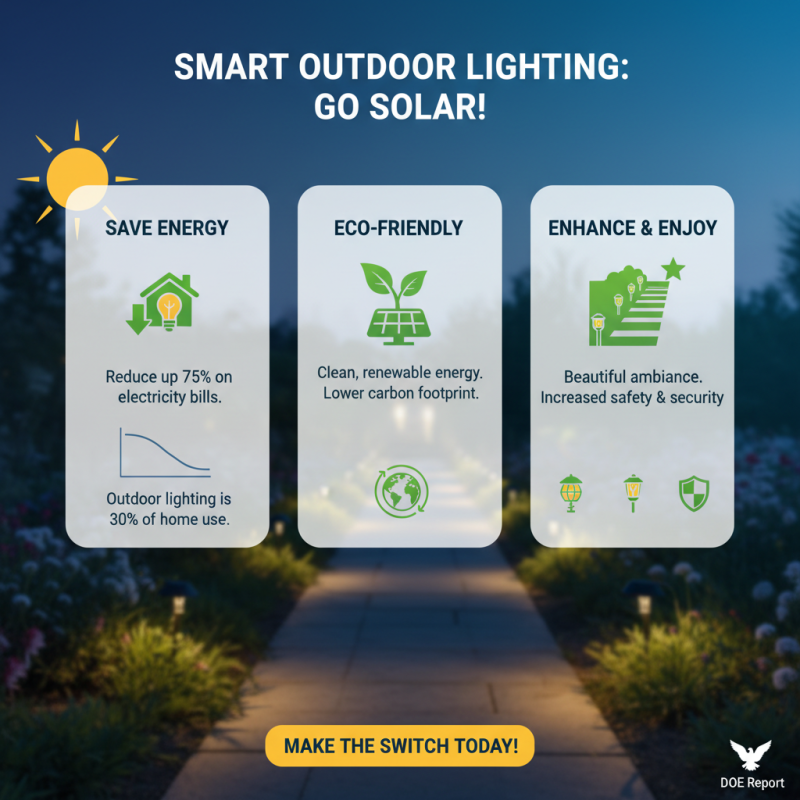
Solar pathway lights play a crucial role in enhancing outdoor spaces, offering both aesthetic appeal and functional benefits. According to a report by the U.S. Department of Energy, outdoor lighting can account for up to 30% of a home's total electricity consumption. By utilizing solar lights, homeowners can significantly reduce their energy use and costs, with solar technology expected to decrease overall energy bills by about 75%—a compelling reason for considering solar options.
In addition to energy savings, solar pathway lights increase safety and security in outdoor areas. The Illuminating Engineering Society states that well-lit pathways reduce accidents and improve visibility, making it safer for residents and guests to navigate outdoor spaces at night. Furthermore, solar lights can deter criminal activity by illuminating dark areas, which is backed by data from the National Crime Prevention Association indicating that increased lighting in residential areas can reduce crime rates by up to 30%. These aspects underscore the importance of incorporating solar pathway lighting into any outdoor design, creating a safer and more inviting environment.
Factors to Consider: Brightness Levels and Lumens for Optimal Lighting
When selecting solar pathway lights for outdoor use, understanding brightness levels and lumens is crucial for achieving optimal lighting. Brightness is usually measured in lumens, which quantify the amount of light emitted by a source. For pathway lights, a range of 100 to 200 lumens per fixture is generally sufficient for adequate visibility while ensuring an inviting ambiance. When considering the distance between lights, higher lumen ratings may be necessary for areas that require more illumination or longer spans, particularly in darker settings.
In addition to sheer brightness, it's also important to think about the color temperature of the light. Warmer lights (around 2700K to 3000K) create a welcoming atmosphere, ideal for pathways and gardens, while cooler lights (above 4000K) can enhance visibility but may appear harsh. The distribution of light is essential as well; lights that offer a wider beam angle can illuminate a larger area, reducing the number of fixtures needed to achieve the desired effect. By taking these factors into account, it’s possible to select solar pathway lights that not only enhance safety and visibility but also complement the outdoor aesthetic.
Evaluating Battery Life: Average Durations and Performance Metrics
When selecting solar pathway lights for outdoor use, evaluating battery life is essential for ensuring longevity and reliable performance. The average battery life of solar lights typically ranges from 2 to 4 years, depending on the quality of components and usage patterns. Reports suggest that high-quality lithium-ion batteries outperform standard nickel-cadmium batteries, providing approximately 30% more efficient energy retention and a longer lifespan. This is due to their ability to withstand more charge cycles without significant degradation, making them a preferred choice for outdoor lighting solutions.
Performance metrics such as recharge time and runtime are also crucial factors in assessing battery life. Optimal solar pathway lights should have a recharge time of about 6 to 8 hours under direct sunlight, often resulting in a runtime of 8 to 12 hours during the night. According to the Solar Energy Industries Association, advancements in solar technology have allowed for better energy conversion rates, with modern panels achieving efficiencies of over 20%. This improvement translates into enhanced performance, as more sunlight is captured and stored, thus providing brighter and longer-lasting illumination for outdoor spaces.
Battery Life Performance of Solar Pathway Lights
Material Choices: Durability and Weather Resistance in Solar Lights
When selecting solar pathway lights for outdoor use, the choice of materials significantly impacts their performance and longevity. Durability and weather resistance are critical factors to consider, especially since these lights will be exposed to varying environmental conditions. According to a report from the U.S. Department of Energy, well-constructed solar lights can last anywhere from 5 to 10 years, assuming they are made from durable materials.
Common materials for solar lights include plastic, metal, and glass. Plastic fixtures are lightweight and often more affordable, but they may not withstand harsh weather conditions such as heavy rain or extreme temperatures. In contrast, aluminum and stainless steel offer enhanced durability, with many models featuring powder-coated finishes that resist rust and corrosion. A study by the National Renewable Energy Laboratory indicates that metal solar lights outperform their plastic counterparts in longevity, maintaining functional performance for longer periods, especially in regions with fluctuating climates.
Glass components can elevate both the aesthetic and durability of solar lights, providing better protection for the solar cells and LED bulbs. However, glass is heavier and may be more susceptible to breakage if not handled correctly. As stated in market analysis by Grand View Research, consumers are increasingly leaning towards solar pathway lights that combine high-quality materials with sustainable design, ensuring that their investments are not only functional but also environmentally friendly. Therefore, prioritizing materials that offer greater durability and weather resistance can significantly enhance the value and life span of solar pathway lighting solutions.
Top 10 Tips for Choosing the Best Solar Pathway Lights Outdoor - Material Choices: Durability and Weather Resistance in Solar Lights
| Material Type |
Durability Rating |
Weather Resistance |
Average Lifespan (Years) |
Cost Range ($) |
| ABS Plastic |
Good |
Moderate |
2-4 |
15-30 |
| Stainless Steel |
Excellent |
High |
10-15 |
50-100 |
| Aluminum |
Very Good |
High |
5-10 |
30-70 |
| Glass |
Good |
Moderate |
8-12 |
40-90 |
| Polycarbonate |
Very Good |
High |
5-8 |
20-50 |
| Wood |
Fair |
Low |
2-5 |
25-60 |
| Resin |
Good |
Moderate |
5-10 |
15-40 |
| Copper |
Excellent |
High |
15-30 |
75-150 |
| Ceramic |
Good |
Moderate |
8-12 |
30-80 |
| Titanium |
Outstanding |
Very High |
20+ |
100-200 |
Installation and Maintenance Tips for Long-lasting Solar Pathway Lights
When it comes to the installation of solar pathway lights, choosing the right location is crucial for optimal performance. Ideally, place the lights in areas that receive at least six hours of direct sunlight each day. Clear away any obstacles such as overhanging branches or tall plants that might cast shadows, obstructing sunlight from reaching the panels.
When you have identified suitable spots, ensure that the ground is even for stable installation. Most solar lights come with stakes for easy insertion into the ground, so make sure to drive them in firmly to avoid tipping or movement.
Maintaining solar pathway lights is essential for prolonging their lifespan and efficiency. Regular cleaning is necessary to remove dirt and debris from the solar panels, as any obstructions can significantly reduce their ability to absorb sunlight. Use a soft cloth and mild soap solution to keep the panels clear. Additionally, inspect the lights periodically for any signs of damage or wear, such as cracks in the casing or corrosion in the battery compartment. Replacing batteries every few years will ensure consistent performance, allowing your solar pathway lights to illuminate your outdoor spaces effectively.