
Top Solar Panel Connectors for Efficient Energy Solutions?

Solar Panel Connectors play a crucial role in renewable energy systems. These connectors ensure efficient power transmission from solar panels to inverters. With the growing demand for sustainable energy, selecting the right connectors has become essential.

Various connector types exist, impacting the performance and reliability of solar installations. Some connectors are more durable but costly, while others may lack robustness. Making the right choice requires understanding their specifications and testing conditions.

Installation errors can also reduce efficiency. Proper handling and compatibility with different solar panels are vital. Customers often overlook these aspects, leading to potential setbacks. Ultimately, informed choices about Solar Panel Connectors can significantly enhance energy solutions.
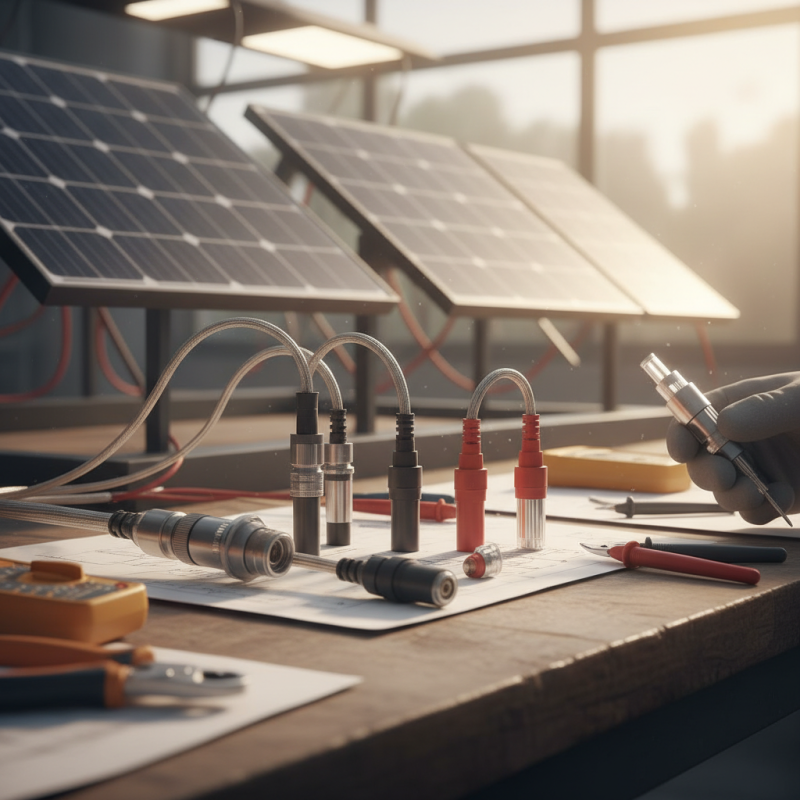
Top Solar Panel Connectors for Efficient Energy Solutions?

Overview of Solar Panel Connectors and Their Importance

Solar panel connectors play a crucial role in the efficiency of solar energy systems. These connectors ensure secure and reliable connections between solar panels, inverters, and batteries. A study by the Solar Energy Industries Association (SEIA) indicates that poor connections can result in energy losses of up to 5%. Choosing the right connectors is essential for optimal energy output.

When selecting connectors, consider their durability and temperature tolerance. Exposure to harsh weather conditions can degrade low-quality connectors over time. In fact, connectors without adequate weather resistance may fail prematurely, leading to costly repairs. Data from the National Renewable Energy Laboratory (NREL) highlights that effective connector choices can enhance the overall system longevity by 20%.

Tip: Regular inspection of connectors can help identify wear and tear early on. Replacing damaged connectors expediently can prevent future performance issues. Ensure proper sealing and strain relief during installation. This protects connectors from environmental damage. A small investment in high-quality connectors can lead to significant long-term savings in system efficiency.

Types of Solar Panel Connectors: MC4, Tyco, and More

Solar panel connectors are essential for creating efficient energy solutions. Among the most common types are MC4 and Tyco connectors. MC4 connectors are widely used due to their reliability. They ensure seamless connections between solar panels and inverters. Tyco connectors offer another option, suitable for various applications. They provide durability and robust performance.

When choosing connectors, consider their ratings. This can impact the overall system performance. Ensure your connectors match the voltage and current requirements of your solar setup. Additionally, waterproof and weather-resistant features are vital. These qualities prolong the lifespan of the connectors in outdoor conditions.

**Tip:** Always inspect connectors regularly. Dust or debris can hinder performance. Regular checks can help prevent long-term issues.

Another vital point is compatibility. Not all connectors work together seamlessly. Understanding how different connectors function is crucial. Research compatibility to avoid connectivity problems. Taking these steps can lead to a more efficient solar energy system.

Key Features to Consider When Choosing Solar Panel Connectors

When selecting solar panel connectors, a few key features stand out. One critical aspect is the connector’s IP rating, which indicates its resistance to dust and water. Connectors with an IP67 rating are often recommended for outdoor applications. In fact, research shows that connectors with higher IP ratings can enhance system durability by up to 30%. This is vital, as exposure to harsh weather conditions can lead to failures and increased maintenance costs.

Another important feature is the temperature range that the connectors can withstand. Many connectors operate efficiently within a range of -40°C to 85°C. If the connectors can handle extreme temperatures, their reliability increases significantly. Poorly rated connectors might fail in extreme weather, negatively impacting energy efficiency. Industry data reveals that around 25% of solar system failures are caused by connector issues, emphasizing the need for careful selection.

Lastly, it’s essential to consider the materials used in connectors. High-quality materials can reduce resistance and improve overall conductivity. Connectors made from durable materials can last over 20 years, while inferior products might need replacement within just a few years. It's essential to weigh these factors thoughtfully, as the choice of connectors directly impacts energy efficiency and system longevity, leading to a more significant return on investment.

Installation Best Practices for Optimal Energy Efficiency

When installing solar panel connectors, attention to detail can significantly impact energy efficiency. According to a report by the National Renewable Energy Laboratory, up to 20% of solar panel efficiency is influenced by proper installation practices. Ensuring tight connections and minimizing resistance can enhance energy flow and maximize output. Industry experts recommend using connectors rated for the specific voltage and current of your system to prevent overheating and potential failures.

Training and experience also play a crucial role in achieving optimal energy efficiency. A study from Solar Energy International emphasizes that hands-on training leads to better performance in installation. Incorrectly installed connectors can lead to energy losses and increased maintenance costs. For example, loose connections can create hot spots, which degrade performance over time. Regular inspections and maintenance can alleviate these issues and help in identifying wear and tear.

Environmental factors also necessitate a reflective approach. Solar panel connectors should be chosen with consideration of weather conditions. Extreme temperatures or excessive moisture can affect their lifespan. Utilizing connectors designed for harsh environments can enhance reliability. Ensuring that the installation team understands these environmental impacts is important. Regular training sessions can better prepare them for these unique challenges. Ultimately, a well-informed approach to installation practices can amplify energy solutions effectively.

Future Trends in Solar Panel Connector Technology

The market for solar panel connectors is evolving rapidly, driven by technological advancements and efficiency demands. Recent reports from reputable industry analysts indicate that the global solar connector market is expected to grow at a compound annual growth rate (CAGR) of over 10% through 2027. This growth signals increasing sophistication in connector technology, which plays a critical role in overall energy efficiency.

One emerging trend is the development of connectors designed to withstand extreme weather conditions. Advanced sealing technologies are being used to prevent moisture and dust ingress, enhancing the durability of solar installations. Research shows that over 80% of connector failures are due to environmental exposure. New materials and designs address these issues, although some manufacturers still struggle with higher costs, potentially impacting the widespread adoption of these innovations.

Another area of focus is the integration of smart technology within solar connectors. The incorporation of diagnostics and monitoring capabilities is becoming standard. This allows for real-time assessment of system performance. A report found that systems utilizing smart connectors can improve energy output by up to 15%. While these advancements are promising, they also raise questions about cybersecurity risks and data management. The industry must strike a balance between innovation and vulnerability management.

Go to Top