What are Outdoor Solar Garden Lights and How Do They Work?
Outdoor Solar Garden Lights have increasingly become a popular choice for homeowners and landscape designers alike, integrating efficiency and aesthetics. According to the Global Market Insights report, the outdoor solar lighting market is projected to grow at a CAGR of over 20% from 2021 to 2027, reflecting a rising demand for sustainable and energy-efficient solutions in outdoor lighting. This shift is largely driven by both environmental considerations and the decreasing costs of photovoltaic technology, making solar garden lights more accessible than ever.
Renowned industry expert, Dr. Emily Sanchez, emphasizes the transformative potential of Outdoor Solar Garden Lights, stating, “Solar technology not only enhances the nightscapes of residential properties but also contributes to a significant reduction in energy consumption.” This innovation presents an ideal solution for those looking to illuminate their gardens and outdoor spaces while promoting eco-friendliness. With their ability to harness solar energy during the day and provide illumination at night, these lights exemplify the intersection of functionality and sustainability in modern landscaping. As awareness of environmental impacts grows, the role of outdoor solar lighting in creating visually appealing yet sustainable outdoor environments is becoming increasingly vital.

Definition and Overview of Outdoor Solar Garden Lights
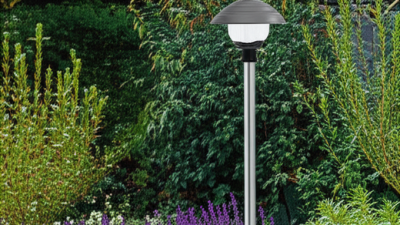
Outdoor solar garden lights are innovative lighting solutions designed to enhance the beauty and functionality of outdoor spaces. These lights harness the power of the sun, utilizing photovoltaic cells to convert sunlight into electricity. During the day, the solar panels absorb sunlight and store energy in built-in batteries. When dusk falls, the lights automatically turn on, providing illumination without adding to electricity bills or relying on traditional power sources.
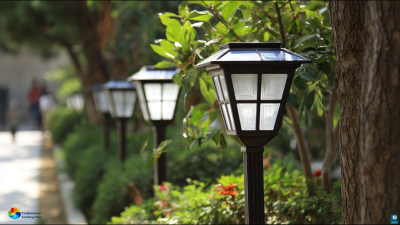
The appeal of solar garden lights lies not only in their environmental benefits but also in their ease of installation and versatility. As they do not require wiring or electrical outlets, they can be placed in a variety of locations, from flower beds to pathways or patios. Additionally, many designs incorporate features such as motion sensors or adjustable brightness, making them suitable for different lighting needs. With a range of styles available, outdoor solar garden lights can complement any garden décor while promoting a greener lifestyle.
Key Components and Design Features of Solar Garden Lights
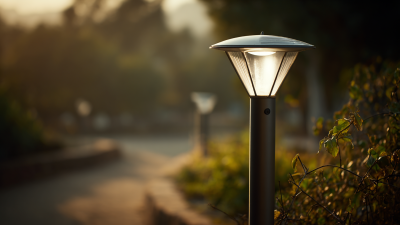
Outdoor solar garden lights are innovative devices designed to enhance outdoor spaces while being environmentally friendly. The key components of these lights include photovoltaic (PV) panels, batteries, LEDs, and light sensors. The PV panels capture sunlight during the day, converting it into electrical energy. This stored energy is then used to power the LED lights at night, providing illumination without relying on traditional electricity sources.
Design features of solar garden lights often include weather-resistant materials and adjustable settings to optimize performance. Many models come equipped with motion sensors or timers, allowing users to customize lighting based on their specific needs. This not only conserves energy but also extends the lifespan of the lights. Furthermore, aesthetic elements, such as color choices and shapes, contribute to their appeal, making them an attractive addition to any garden or outdoor area.
Tips for choosing the right solar garden lights include considering the brightness and battery capacity to ensure they meet your lighting needs. Look for lights with adjustable features for versatility in different seasons. Additionally, strategic placement is crucial; ensure the lights are positioned where they can receive maximum sunlight during the day for optimal performance at night.
How Solar Garden Lights Utilize Photovoltaic Technology
Outdoor solar garden lights are an eco-friendly lighting solution that harnesses the power of the sun using photovoltaic technology. Each light is equipped with solar panels that absorb sunlight during the day, converting it into electricity. This electricity is stored in rechargeable batteries, allowing the lights to operate at night without relying on the grid. This process not only reduces energy costs but also minimizes carbon footprint, making solar garden lights an appealing option for sustainable gardening and landscaping.
When choosing solar garden lights, consider the placement and exposure to sunlight. Ensure that the panels receive direct sunlight for at least 6-8 hours a day to maximize battery charging. Additionally, opting for lights with adjustable brightness settings can enhance energy efficiency.
Tips for maintaining solar garden lights include regularly cleaning the solar panels to remove dust and debris, which can hinder their performance. Also, check the battery condition periodically; replacing old batteries can significantly improve the lighting output during darker nights. By following these simple steps, you can enhance the longevity and effectiveness of your outdoor solar lights.
Typical Light Output and Lifespan of Solar Garden Lights
Outdoor solar garden lights are a popular choice for enhancing the ambiance of gardens and outdoor spaces. When it comes to their performance, typical light output and lifespan are crucial factors to consider. Generally, solar garden lights emit a soft glow, ranging from 10 to 200 lumens, depending on their design and intended use. Low-output lights are perfect for path lighting or subtle illumination, while higher-output options are suitable for highlighting specific features in the landscape.
The lifespan of solar garden lights can vary significantly, usually lasting anywhere from 2 to 10 years. This longevity is largely dependent on the quality of the solar panel and battery used. Cheaper models may have shorter lifespans, while more robust designs can provide reliable performance for many seasons. To extend the life of your solar lights, it’s essential to keep the solar panels clean and free from debris, as this maximizes their ability to absorb sunlight and recharge efficiently.
Tips: When selecting solar garden lights, consider the placement to ensure they receive adequate sunlight. Additionally, pay attention to the battery specifications, as higher capacity batteries can store more energy and provide longer illumination times. Regular maintenance can enhance both brightness and lifespan, ensuring your garden remains beautifully lit throughout the night.
What are Outdoor Solar Garden Lights and How Do They Work? - Typical Light Output and Lifespan of Solar Garden Lights
| Feature |
Description |
Typical Values |
| Light Source |
LED bulbs are commonly used for their efficiency. |
1-10 Watts |
| Brightness |
Measured in lumens, indicating the amount of light emitted. |
50-400 lumens |
| Battery Type |
Rechargeable batteries store solar energy for nighttime use. |
NiMH or Lithium-ion |
| Charging Time |
Time taken to fully charge the batteries under sunlight. |
6-8 hours |
| Working Time |
Duration of illumination on a full charge. |
8-12 hours |
| Lifespan |
Longevity of the light fixtures typically measured in years. |
2-10 years |
| Water Resistance |
Protection against water, crucial for outdoor use. |
IP65 or higher |
Environmental Benefits and Energy Savings of Using Solar Lights
Outdoor solar garden lights offer a sustainable lighting solution that harnesses the power of the sun, providing a range of environmental benefits. By using solar panels to convert sunlight into electricity, these lights reduce dependence on fossil fuels. This shift not only leads to a decrease in greenhouse gas emissions but also minimizes the overall carbon footprint associated with traditional lighting methods. As homeowners and gardeners increasingly adopt solar lights, the cumulative effect contributes significantly to environmental preservation.
In addition to their ecological advantages, solar garden lights also promote energy savings. They utilize renewable energy, which means users can eliminate high electricity bills typically associated with outdoor lighting. Once installed, these lights require minimal maintenance and are often equipped with motion sensors or timers, enhancing their efficiency. Moreover, the long lifespan of LED lights commonly used in solar fixtures further reduces the need for frequent replacements, making them a cost-effective and sustainable choice over time. By embracing solar lighting, individuals can enjoy beautifully illuminated outdoor spaces while playing a part in combating climate change.