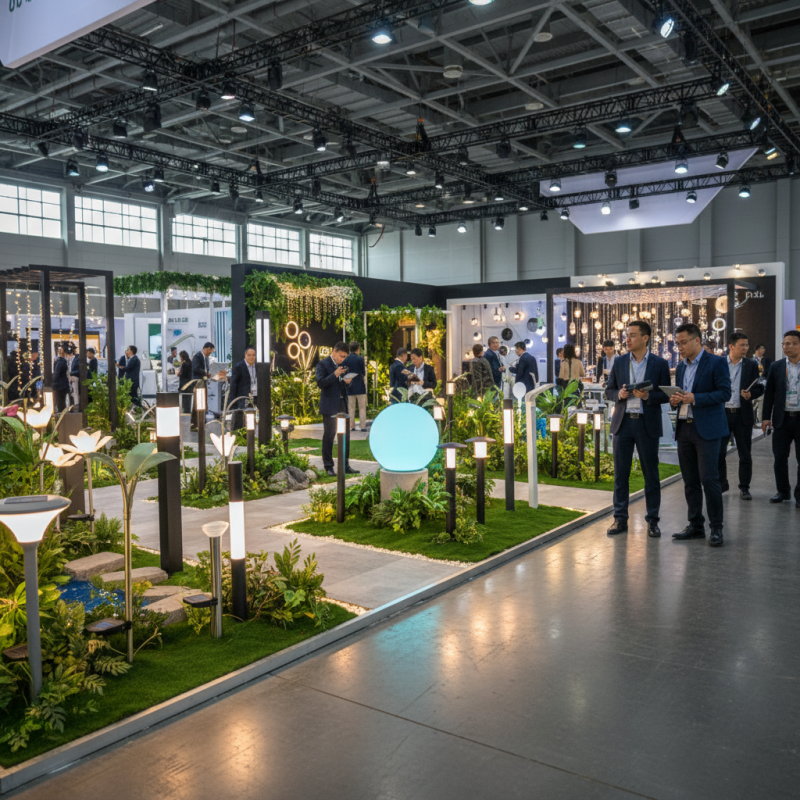
What is LED Garden Light Showcase at the 139th Canton Fair?
As the 139th Canton Fair approaches, the spotlight shines on the led garden light industry. This segment has gained significant traction due to the rising demand for outdoor lighting solutions that enhance both aesthetics and functionality. Tom Green, a notable expert in the field, emphasizes, “LED garden lights are not just illumination; they set the mood and transform spaces.”
In a fair dedicated to innovation, the LED garden light showcase promises to feature cutting-edge designs and technologies. Potential buyers will experience a variety of styles, from solar-powered options to smart-controlled systems. Such advancements cater to diverse consumer preferences, illuminating gardens while minimizing energy consumption.
The implementation of AI tools at this year's fair enhances the overall experience for attendees. Buyers can easily locate exhibitors of LED garden lights based on specific certifications. This efficiency is crucial as the fair spans a vast area of 1.55 million square meters. However, the industry still needs to reflect on sustainability practices and the longevity of these products. As new designs emerge, balancing functionality with environmental responsibility is vital for future growth.
LED Garden Light: An Overview of Its Features and Benefits
LED garden lights have gained significant attention for their unique features and benefits. These lights are energy-efficient, consuming up to 80% less electricity than traditional lighting options. According to a recent industry report, LED technology can reduce outdoor lighting costs significantly. Durability is another key aspect. Most LED garden lights last over 25,000 hours, minimizing replacement needs.
The versatility of LED garden lights is remarkable. They come in various styles, from smart lighting to solar-powered options. Such flexibility allows homeowners to enhance their outdoor space creatively. However, some users may struggle with installation or compatibility issues, affecting their overall experience. Furthermore, while the initial investment is higher, many users overlook long-term savings on energy and maintenance costs.
Aesthetically pleasing, LED garden lights can transform any garden into a beautiful space. They provide options for color temperature and brightness, catering to different moods. However, some lights may emit a harsh glow, which can disrupt the environment if not chosen wisely. Understanding these features can lead to a more informed decision when selecting LED garden lights for outdoor areas.
Significance of Energy Efficiency in LED Lighting Solutions
The LED Garden Light Showcase at the 139th Canton Fair highlights the vital role of energy efficiency in modern lighting solutions. Energy-efficient LED lights consume up to 75% less energy than traditional bulbs. This can significantly lower electricity bills over time. A study by the U.S. Department of Energy reported that widespread LED adoption could reduce lighting energy costs by $30 billion annually.
Using LED lights in gardens offers numerous advantages. They emit less heat, reducing fire risks and keeping spaces cooler. Additionally, LEDs have a longer lifespan, lasting up to 25,000 hours. This means fewer replacements and less waste.
Tips for selecting LED garden lights: Look for Energy Star-rated products. They guarantee high efficiency and performance. Also, consider the color temperature. Warm white light can enhance garden aesthetics. However, some may prefer cooler hues for a modern feel. Balance aesthetics with functional needs for the best results.
Reflecting on these aspects, we see that despite their advantages, not all LED lights are created equal. Some cheaper options lack the efficiency and longevity promised. Therefore, meticulous research is essential. Investing wisely in quality LED lights brings both environmental and financial benefits.
Energy Efficiency of LED Garden Lights
Industry Trends: Growth of LED Garden Lights in Outdoor Lighting Market
The outdoor lighting market is undergoing significant changes. LED garden lights are at the forefront of this evolution. As per a recent industry report, the global market for LED garden lights is projected to grow at a compound annual growth rate (CAGR) of 11% between 2023 and 2028. This reflects increasing consumer demand for energy-efficient solutions.
In many regions, traditional lighting options are giving way to modern LED alternatives. People prefer LED garden lights for their durability and lower energy consumption. They often last longer than standard bulbs. However, not all consumers are aware of the full benefits. Awareness campaigns are essential for highlighting their energy savings and environmental impact.
Tip: Consider the brightness when selecting LED garden lights. A fixture that is too bright can be overwhelming in a garden setting.
The design trends also play a crucial role.
Sleek, minimalistic styles are becoming popular. But some designs lack the necessary practical features. For instance,
water resistance is critical for outdoor fixtures. Many overlook this aspect, leading to premature failure.
Tip: Always check the
IP rating of LED garden lights before purchasing. This will ensure they withstand outdoor conditions.
Comparison of LED Garden Lights to Traditional Lighting Solutions
LED garden lights are gaining traction in outdoor lighting. Compared to traditional lighting, they offer enhanced energy efficiency. Reports indicate that LED lights consume up to 80% less energy than incandescent bulbs. This significant reduction in energy usage translates into lower electricity bills for homeowners.
Moreover, LED garden lights have a longer lifespan. They can last up to 25,000 hours, while traditional lighting typically lasts only 1,000 hours. This means fewer replacements and less waste. However, initial costs for LED installations can be higher. Buyers may hesitate at first due to upfront expenses.
In terms of brightness and quality, LED options shine. They provide a more focused light, which reduces light pollution. This is crucial in residential areas. Yet, the color temperature can vary widely, which sometimes leads to mismatched atmospheres in gardens. Consumers must choose wisely to ensure the desired effect. As the industry grows, a more refined education on these choices is essential.
What is LED Garden Light Showcase at the 139th Canton Fair? - Comparison of LED Garden Lights to Traditional Lighting Solutions
| Feature | LED Garden Lights | Traditional Lighting Solutions |
| Energy Efficiency | Up to 80% less energy consumption | Low efficiency, higher energy costs |
| Lifespan | 25,000 to 50,000 hours | 1,000 to 2,000 hours |
| Environmental Impact | No toxic elements; recyclable | Contains hazardous materials |
| Installation Flexibility | Easier to install with lower voltage | Requires professional installation in many cases |
| Light Quality | Varied color temperatures; higher CRI | Limited color options; lower CRI |
| Cost | Higher initial cost, lower long-term cost | Lower initial cost, higher long-term costs |
Innovations in Smart LED Garden Lighting Technologies at Canton Fair
At the 139th Canton Fair, the LED Garden Light Showcase highlighted the latest advancements in smart lighting. Innovations in this area focus on sustainability and smart technology. Many exhibits featured lights that adjust automatically based on ambient conditions. These adaptive features enhance user experience significantly.
Several designs stood out for their creative use of materials. Eco-friendly components are crucial in today’s market. Some lights even incorporate solar energy, reducing reliance on traditional power sources. These innovations can cut down electricity costs, although they may come with a higher initial price tag. Consumers seem to appreciate the long-term benefits.
Tips: When choosing LED garden lights, consider their brightness and color temperature. Look for options that offer both functionality and aesthetics. Remember, outdoor lighting should enhance your garden’s beauty without overwhelming it. Always evaluate the reviews before making a purchase. It's important to reflect on your specific needs and preferences.