
10 Tips for Buying the Best Power Generator

Buying a generator is not simply a matter of choosing the largest engine. The right model must match your equipment, fuel access, environment, and expectations. Power Generators can protect refrigerated food, medical devices, work tools, and essential lighting during an outage. However, a glossy specification sheet rarely tells the whole story. A refrigerator may need extra starting power, while a heater can consume steady watts for hours. That difference affects both performance and operating cost.

This guide examines ten practical tips for selecting a dependable generator. It considers rated output, surge capacity, fuel type, runtime, noise, portability, and maintenance. It also explains why a licensed electrician should install a transfer switch for a fixed home system. Safe placement matters too. Never operate a fuel-powered unit inside a house, garage, or enclosed shed. Carbon monoxide can become dangerous before anyone notices a smell. Check local requirements, manufacturer instructions, and recognized safety certifications before purchasing.

Small details matter.

A model with wheels may still be difficult to move across gravel. A quiet unit may become louder under heavy load. Portable generators also need dry storage, fresh fuel, and regular testing. Honestly, buyers sometimes focus too heavily on emergency power and forget long-term upkeep. That is an easy mistake to make. Comparing independent specifications, warranty terms, service availability, and real user feedback creates a more reliable decision. The best generator is not always the most powerful option. It is the one that starts when needed, runs safely, and fits your actual household demands.
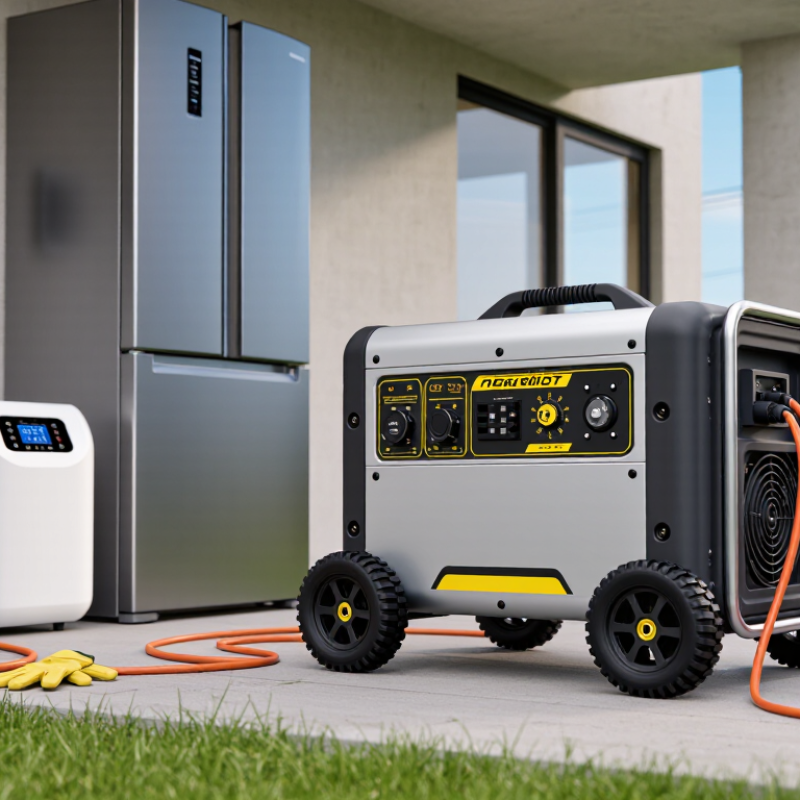
10 Tips for Buying the Best Power Generator

Assess Your Power Needs and Intended Use

Assess Your Power Needs and Intended Use

Buying the largest generator is not automatically the smartest choice. Start with the loads you genuinely need during an outage. List refrigerators, medical equipment, lights, internet devices, pumps, and heating controls. Record each appliance’s running watts and starting watts. Peak demand matters. Motors can briefly require two to three times their normal power.

The U.S. Energy Information Administration reported average American household electricity use of about 886 kilowatt-hours per month in its 2020 Residential Energy Consumption Survey. That figure describes monthly consumption, not generator size. A household may need only a small emergency load for several hours.

Choose essential circuits instead of copying the home’s full electrical capacity. The U.S. Department of Energy also recommends checking appliance labels and using measured consumption when available.

My first estimate was too optimistic. It looked efficient on paper. It was not. I forgot the well pump’s starting surge and overloaded the test unit. A plug-in power meter can reveal hidden demand before purchase. Add roughly 20 percent spare capacity for uncertainty, cold starts, and future equipment.

Be honest here. If the generator will run sensitive electronics, prioritize stable voltage and frequency. For construction, camping, or occasional home backup, the duty cycle and fuel storage needs will differ. Intended use changes the right answer. Check the installation instructions and have transfer equipment evaluated by a qualified electrician.

Choose the Right Generator Type and Output Capacity

10 Tips for Buying the Best Power Generator

Choose the Right Generator Type and Output Capacity

Start with the generator’s purpose, not its advertised wattage. Portable units suit short outages, while standby systems support automatic operation. In 2022, U.S. customers experienced 5.5 hours of power interruptions on average, according to the U.S. Energy Information Administration. That figure varies widely by region. Your local outage history matters more.

List essential loads beside their running watts. Add refrigerators, pumps, medical equipment, lights, and communication devices. Then check starting watts for motors, which can briefly demand two to seven times more power. A common mistake is sizing only for continuous demand. Leave a 20% capacity margin, but avoid buying an oversized unit that runs inefficiently.

Review voltage, phase, fuel availability, noise, runtime, and weather protection. ISO 8528-1 separates standby, prime, and continuous ratings; these terms are not interchangeable. A standby rating may fail under frequent, extended use. Confirm transfer-switch compatibility with a qualified electrician. Keep fuel storage and ventilation compliant with local rules. I would recheck the load calculation after installation, because household equipment changes faster than expected. Test the generator under load, inspect oil levels, and record service dates. Small omissions become expensive during a storm.

Compare Fuel Options, Runtime, and Operating Costs

10 Tips for Buying the Best Power Generator

Compare Fuel Options, Runtime, and Operating Costs

Fuel choice affects more than the purchase price. Gasoline is widely available, but it can degrade during long storage. Diesel often suits heavy, frequent use and may deliver strong efficiency under steady loads. Propane stores longer and burns cleanly, though cold weather can reduce pressure. Dual-fuel models provide flexibility, but their extra parts may require more maintenance.

Runtime figures need careful reading. Manufacturers usually test them at a partial load, not during demanding operation. A refrigerator, sump pump, lights, and charger can create changing power demands throughout the day. Check the fuel tank size, rated wattage, and runtime at 50% load. A larger tank may extend operation, but it also adds weight and storage concerns. More runtime is not always better.

Operating cost includes fuel, oil changes, filters, battery care, and occasional repairs. I once underestimated maintenance costs because I considered only fuel prices. That was a useful mistake. Calculate the cost per kilowatt-hour using realistic fuel consumption, not the best advertised figure. In practice, running a generator far below its efficient load can waste fuel. Running it near its limit may increase heat and wear. Leave a sensible reserve for startup surges, especially from pumps and motor-driven tools. Review the manual, measure your actual loads, and reassess the estimate after several uses.

Evaluate Safety Features, Noise Levels, and Portability

When buying a power generator, safety deserves more attention than starting wattage.
I inspect the frame, fuel lines, outlets, and control panel for visible damage. Safety starts here. Look for overload protection, low-oil shutdown, stable grounding, and a carbon monoxide sensor. These features reduce risk, but they cannot replace careful placement.
Operate the generator outdoors, far from doors, windows, and vents. Keep it dry, level, and protected from rain.
Never connect it directly to household wiring without a properly installed transfer switch and qualified electrical guidance.

Noise levels can affect sleep, conversation, and nearby households. Check the measured decibel rating, but read the testing conditions carefully. A quiet figure may reflect low-load operation. At full output, the sound can rise noticeably.
I prefer models with insulated panels and steady engine control. Still, sound ratings are easy to misunderstand.
Visit a supplier, if possible, and hear a running unit from several meters away. Noise changes everything. Consider vibration too, because a rattling frame can sound louder than the engine.

Portability should match the place and person using the generator. A compact unit may lift easily but provide limited power. A larger model needs wheels, strong handles, and balanced weight. Check whether one person can move it across gravel or a doorstep.
Measure twice. I once underestimated a short staircase and regretted choosing a heavy model.
Review the handle height, wheel quality, fuel access, and storage space before purchasing. A simple test with the machine switched off can reveal awkward lifting points.

Verify Installation Requirements, Warranty, and After-Sales Support

Before buying a power generator, verify the installation requirements with a qualified electrician. Tip 1: Calculate your essential load, not the whole building. Tip 2: Check whether a transfer switch is required. Tip 3: Confirm grounding, ventilation, fuel storage, and clearance rules. Tip 4: Ask about local permits and inspection procedures. A generator may fit your budget but fail in a small, enclosed space. That mistake can become expensive.

Tip 5: Read the warranty terms carefully. Check coverage length, included parts, labor limits, and exclusions. Tip 6: Ask whether scheduled servicing affects warranty validity. Tip 7: Confirm who performs approved repairs and where parts are sourced. Tip 8: Request the warranty in writing. Sales promises can fade. I once found that transport costs were excluded, despite friendly verbal assurances. It changed the real purchase price.

Tip 9: Test the after-sales support before ordering. Call the service number and ask how quickly technicians respond. Tip 10: Request the maintenance schedule, emergency procedure, and expected parts availability. Choose a supplier that provides clear manuals and practical training. Ask who answers calls after installation. A reliable support team should explain fault codes without guessing. I still think buyers often focus too much on output ratings. Installation quality matters just as much, and my own earlier checklist was not detailed enough. Check every requirement twice.

10 Tips for Buying the Best Power Generator: Verify Installation Requirements, Warranty, and After-Sales Support

How to use this chart: Generator sizing must account for both running watts and starting watts. The figures below are typical estimates for common household equipment; always check the appliance nameplate and consult a qualified electrician before installation.

  • Calculate the total running load.
  • Identify appliances with high starting demand.
  • Allow additional capacity for future equipment.
  • Confirm voltage, phase, frequency, and fuel requirements.
  • Verify whether a transfer switch is required.
  • Check ventilation, exhaust, noise, and clearance requirements.
  • Review the warranty period and covered components.
  • Confirm authorized service and replacement-parts availability.
  • Ask about maintenance intervals and operating costs.
  • Have the generator installed and commissioned by a qualified professional.
Go to Top