How to Choose the Best Solar Lamp for Your Needs in 2026?
As we approach 2026, solar lamps have gained significant attention. The global solar lamp market is projected to reach $3.4 billion by 2026, driven by rising energy costs and environmental concerns. Choosing the right solar lamp for your needs can be challenging, given the variety of options available.
Many consumers overlook essential features that affect performance. For instance, brightness levels, battery capacity, and durability are crucial. A reliable solar lamp should provide adequate illumination for your space. However, product specifications can sometimes be misleading. Quality varies widely among manufacturers.
Understanding these factors is vital. Detailed research into user reviews and expert analyses can boost your confidence in decision-making. Prioritize reputable brands that display transparency in their offerings. In this evolving landscape, it's essential to reflect on personal needs. Choosing the right solar lamp can enhance outdoor experiences while contributing to a sustainable future.

Factors to Consider When Selecting a Solar Lamp for Your Needs
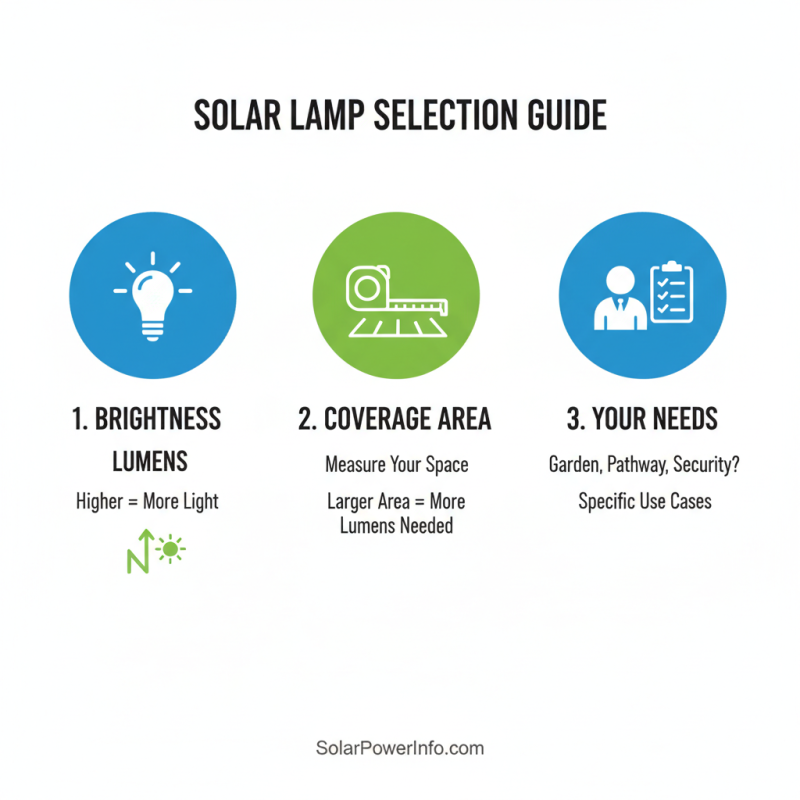
Choosing the right solar lamp involves several key factors tailored to your specific needs. One of the most critical considerations is brightness. Measure the area you want to illuminate. A brighter lamp may be necessary for larger spaces. Pay attention to lumens. Higher lumens mean more light.
Battery life is another crucial aspect. Look for a lamp with reliable battery longevity. A short battery life can lead to frequent replacements. Solar lamps that charge faster are beneficial, especially in areas with limited sunlight. Assess the average sunlight hours your location provides.
Tips: Consider reading user reviews for real-world experiences. Look for lamps that provide clear specifications. Check warranty details for added peace of mind. While many lamps promise durability, verify claims to avoid disappointment.
Lastly, design and portability matter. Some lamps are rigid and hard to move. Others are lightweight and versatile. If you plan to use them in multiple locations, choose wisely. User feedback can reveal how functional and durable a lamp truly is. Don't ignore these details during your selection process.
Types of Solar Lamps and Their Suitable Applications
When selecting solar lamps, understanding their types and applications is crucial. Solar lamps come in various forms such as pathway lights, floodlights, and decorative lanterns. Each type serves specific purposes, allowing users to maximize their efficiency.
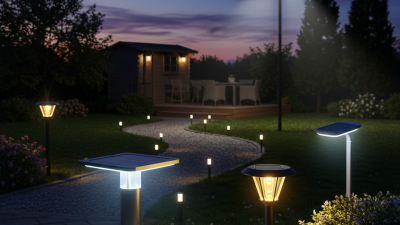
Pathway lights are ideal for illuminating walkways and gardens, enhancing safety and aesthetics.
Floodlights are perfect for larger areas, providing bright illumination for security purposes. Recent industry reports indicate that outdoor solar lighting can reduce electricity costs by up to 80%. Decorative lanterns, on the other hand, add charm to outdoor spaces while offering ambient light. Choosing the right type depends on your environment and lighting needs.
Tips: Consider the lamp's brightness, measured in lumens. A higher lumen count means brighter light. Assess the solar panel's efficiency, as this determines charging speed. Evaluate how long you need the light to last through the night. Some users overlook the importance of light duration, which can lead to dissatisfaction. Understanding your specific requirements will guide you in selecting the best solar lamp for your needs in 2026.
Understanding Solar Lamp Specifications and Features
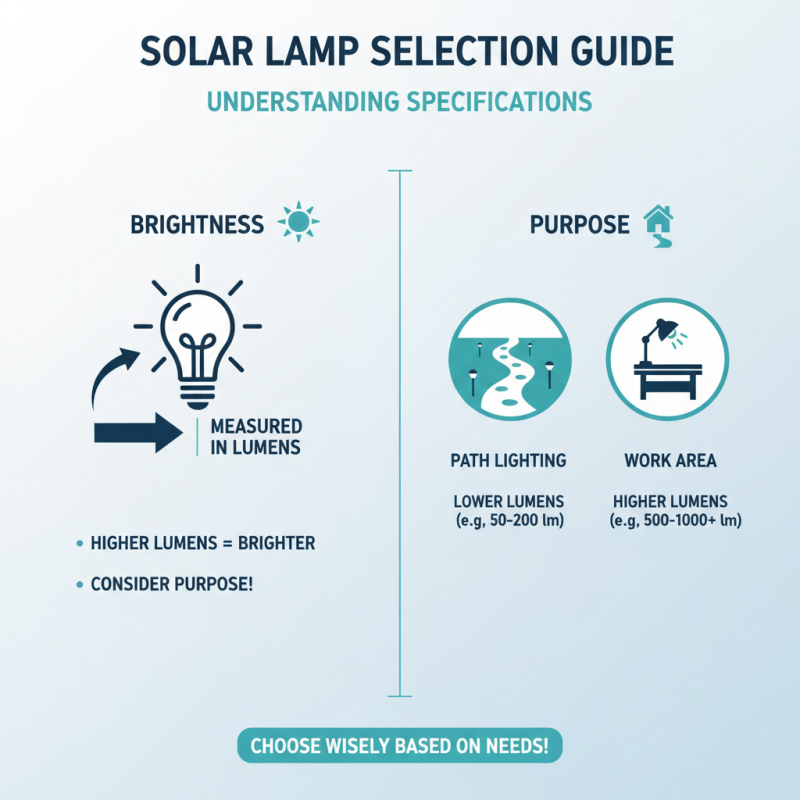
When selecting a solar lamp, understanding specifications is critical. Start with brightness, measured in lumens. A higher lumen count means a brighter light. However, excessive brightness may not always be desirable, especially for ambient lighting. Users often forget to consider purpose—path lighting requires less lumens than a work area.
Battery capacity also plays a crucial role. Solar lamps generally use lithium-ion batteries. These batteries affect how long the lamp can operate after sunset. Some models boast long runtimes, but actual performance can vary based on solar exposure. Evaluate this based on your location's sunlight availability.
Durability is another vital aspect. Look for weather-resistant materials if your lamp will be outdoors. Aesthetics matter, but they shouldn't compromise quality. Some users find it hard to balance style and function. Pay attention to energy efficiency ratings. While solar technology has advanced, not all lamps charge equally. Researching other users’ experiences can provide insights.
Evaluating Solar Lamp Brands and Customer Reviews
Choosing the right solar lamp involves understanding various brands and their customer feedback. Brands often claim great performance, but it's essential to dig deeper. Look for genuine reviews that describe users' experiences. Reliable feedback reveals consistent issues or highlights strengths. Pay attention to comments about brightness, battery life, and durability. A well-informed choice stems from real-life stories.
Tips: Always check multiple review platforms. Look for patterns in feedback rather than isolated opinions. Some users may overlook minor problems, while others may emphasize them. Focus on reviews that discuss long-term usage. These insights better represent how a solar lamp will perform over time.
Not all brands are created equal. Some may prioritize aesthetics over functionality. It’s important to find the right balance. If users mention poor customer service, take it seriously. A brand with weak support can lead to frustrating experiences later. Seek out lamps that not only shine bright but also come with reliable warranties. This provides peace of mind that the investment is secure.
Maintenance Tips for Prolonging the Life of Your Solar Lamp
Maintaining your solar lamp is crucial for its longevity and efficiency. Regular cleaning is essential to remove dust and debris from the solar panels. Research shows that dirty panels can decrease energy absorption by up to 30%. A soft cloth and mild soap are usually enough for maintenance, ensuring optimal performance.
Battery care is just as important. Most solar lamps use lithium-ion batteries, which can last for several years with proper usage. Avoid overcharging and deep discharging. Experts recommend replacing batteries every 2-3 years. Keep an eye on performance changes as signs of battery wear.
Additionally, store your solar lamp properly during harsh weather. Extreme temperatures can damage internal components. If you live in a snowy region, consider bringing your lamp indoors in winter. Remember, small adjustments in care can significantly extend the life of your solar lamp, enhancing your outdoor space sustainably.
How to Choose the Best Solar Lamp for Your Needs in 2026? - Maintenance Tips for Prolonging the Life of Your Solar Lamp
| Feature |
Importance |
Recommended Option |
Maintenance Tips |
| Brightness (Lumens) |
Essential for visibility |
500-1000 Lumens for Outdoor Use |
Clean solar panels regularly |
| Battery Capacity (Ah) |
Longer usage time |
At least 10 Ah for extended nights |
Avoid complete discharge |
| Material Quality |
Durability against weather |
UV-resistant plastic or aluminum |
Store indoors during harsh weather |
| Water Resistance Rating |
Protection against rain |
IP65 or higher recommended |
Check seals periodically |
| Solar Panel Efficiency |
Faster charging |
20% efficiency or higher |
Ensure panels are unobstructed |