How to Choose the Best Outdoor Solar Lights?

Choosing the best outdoor solar lights begins with understanding your space, not chasing the brightest product. A reliable Solar Light Outdoor setup should match your garden’s sunlight, weather exposure, and daily movement. Walk around the area during daylight hours. Notice shaded walls, tall trees, and nearby buildings that may reduce charging time. A light placed beneath thick branches can look attractive, yet perform poorly after sunset.

Experienced homeowners usually check the solar panel, battery type, brightness, and weather resistance together. Look for panels with practical efficiency and batteries designed for repeated charging cycles. Warm white light often suits patios and pathways, while cooler light can improve visibility near steps. Avoid judging quality from brightness alone. Excessive glare may disturb neighbors and hide uneven ground. Placement matters more than advertising claims. Keep panels clean, and angle them toward the strongest available sunlight. Even a thin layer of dust can reduce performance.

Safety deserves careful attention. Choose stable fixtures, protected wiring, and products with clear weather-resistance information. Motion sensors can conserve energy, but inexpensive sensors may react to passing animals or moving branches. That can become annoying. I have also found that decorative lights often create atmosphere, but they may not provide enough light for safe walking. Read independent reviews, compare warranty terms, and consider replacement batteries before purchasing. No single model works everywhere. A thoughtful choice may require small compromises between design, brightness, battery life, and price. Test one fixture first, then expand your lighting plan with greater confidence.
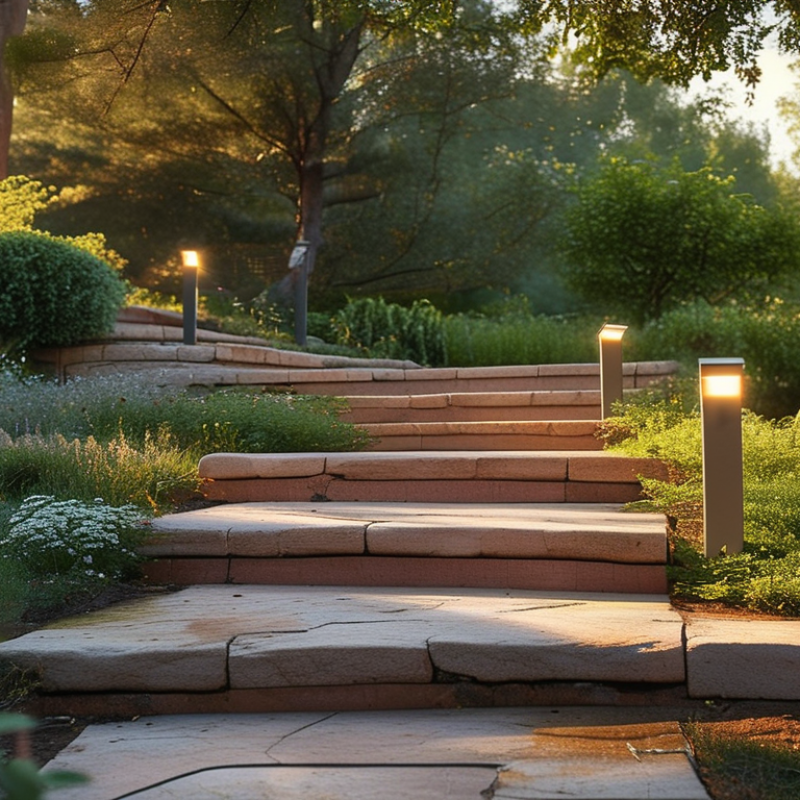
How to Choose the Best Outdoor Solar Lights?

Define Your Outdoor Lighting Needs and Installation Locations

How to Choose the Best Outdoor Solar Lights?

Define your outdoor lighting needs before comparing brightness or appearance. Walk through the property after sunset. Mark dark steps, narrow paths, entrances, bins, and seating areas. Each location needs a different lighting purpose. Path lights should guide movement without shining into eyes. Entrance lights need clearer facial visibility. Motion sensors suit occasional activity, while dusk-to-dawn lights support steady orientation. A small sketch helps, although my first plan often included too many fixtures.

Measure sunlight at each proposed position for several days. Solar panels generally perform best with unobstructed, direct exposure. Fences, tree branches, and winter shadows can reduce charging considerably. The U.S. Department of Energy reports that LED lighting uses at least 75% less energy than incandescent lighting and can last up to 25 times longer. That supports efficient solar designs, but efficiency cannot repair poor placement. Check the manufacturer’s stated runtime under realistic weather conditions, not only laboratory conditions.

Consider weather exposure as part of the installation decision. Look for an appropriate IP rating near sprinklers, coastal air, or uncovered steps. Warmer light can make patios feel comfortable, while cooler light may improve visibility around gates. Keep fixtures low enough to prevent glare and far enough apart to avoid harsh bright spots. Test one unit overnight first. It may look perfect online and still illuminate the wrong area.

How to Choose the Best Outdoor Solar Lights?

Define your lighting needs and installation locations by comparing the typical lumen output recommended for common outdoor areas.

Pathways and steps usually need low-level guidance lighting, while entrances, patios, and security areas require higher light output. Actual requirements may vary with fixture spacing, mounting height, surface color, and local conditions.

Compare Solar Panel Types, Battery Capacity, and Light Output

Choosing outdoor solar lights starts with the solar panel, not the decorative shape. Monocrystalline panels usually perform well in limited space and weak sunlight. Polycrystalline panels can cost less, but may need stronger daylight. Amorphous panels work better in cloudy conditions, although their output is often lower. I have seen small panels fail beside tall fences, even during bright afternoons. Placement matters more than many product descriptions suggest.

Battery capacity controls how long the light stays useful after sunset. Look for the battery type, capacity, and expected runtime. A larger capacity can support longer lighting, but charging still depends on daily sunlight. Cold weather may reduce battery performance. So can dust. A light promising twelve hours may provide far less after several cloudy days. That difference deserves attention.

Light output is measured in lumens, not watts. Low-output lights suit paths and flower beds, while brighter models improve steps and entrances. Around 20 to 50 lumens may mark a walkway gently. Security-focused lighting usually needs substantially more output. Avoid judging brightness from photographs alone. Check the beam angle, color temperature, and lighting duration. I once chose a very bright fixture that created harsh glare, not better visibility. Softer, wider light would have served the area better.

Choose Suitable Designs, Materials, and Weather Resistance

How to Choose the Best Outdoor Solar Lights?

Choose a design that fits the space, not merely the product photograph. A narrow path needs low, shielded lights that guide footsteps without shining into windows. For patios, wider downward lighting creates a calmer atmosphere and reduces glare. Warm white light often feels more comfortable near seating areas. Motion sensors can save energy, but they may react to passing pets or tree shadows. Placement matters more than decoration.

Material choice affects long-term performance. Powder-coated aluminum resists rust and keeps the housing relatively light. Stainless steel suits damp gardens, although cheaper grades can still develop surface marks. Look for UV-resistant polycarbonate or tempered glass around the lamp. Plastic parts may become brittle after years of strong sunlight. I have seen attractive lights fade quickly when their covers received direct afternoon sun.

Weather resistance deserves careful checking. An IP65 rating generally indicates protection from dust and water jets, but not continuous submersion. Install fixtures above areas where puddles collect. Sealed battery compartments, drainage channels, and corrosion-resistant screws are useful details. Solar panels need several hours of direct sunlight, yet winter shade can reduce charging sharply. Check performance data for cold conditions and rainy seasons. It is easy to overestimate solar lighting. A light that works beautifully in July may struggle beside a tall fence in December. Also verify installation instructions and local electrical requirements before fixing permanent units.

Evaluate Sensors, Controls, Runtime, and Seasonal Performance

How to Choose the Best Outdoor Solar Lights?

Choosing outdoor solar lights starts with sensors and controls, not brightness alone. A passive infrared sensor should detect movement across the path. Adjustable sensitivity helps prevent triggers from passing pets or tree shadows. Look for timer settings and a dusk-to-dawn override. The U.S. Department of Energy reports that occupancy controls can reduce lighting energy use in intermittently occupied areas. Outdoor paths are intermittent spaces. A fixed timer may waste stored power before midnight. This is easy to miss.

Runtime claims need a clear test condition. Ask whether the stated hours assume full sun, new batteries, and reduced brightness. The National Renewable Energy Laboratory’s National Solar Radiation Database shows that solar production changes with location, tilt, weather, and shading. NOAA solar calculations show about six fewer daylight hours at 40°N in winter than summer. Winter exposes weak designs. Cold temperatures can also reduce available battery capacity. I would not trust a “12-hour” claim without seasonal testing.

Place the light under actual shade and inspect it for three nights. Measure ground-level brightness after sunset, then check the final hour before dawn. The DOE Energy Saver reports that LEDs use at least 75% less energy and last up to 25 times longer than incandescent lighting. Efficient LEDs help, but excessive brightness still drains a small battery. Controls should preserve useful light, not create brief bursts. A practical test may reveal uneven coverage, delayed sensors, or disappointing winter runtime. That imperfect result matters.

Check Installation Requirements, Maintenance, and Overall Value

How to Choose the Best Outdoor Solar Lights?

Installation requirements often decide whether outdoor solar lights perform well. The panel needs direct sunlight, not shade from fences, trees, or roof edges. The U.S. Department of Energy explains that solar output changes with location, orientation, and seasonal sunlight. Check the site at different times before drilling. A light that receives winter shade may become unreliable after December.

Read the technical details carefully. Look for battery chemistry, charging time, operating hours, and an IP rating under IEC 60529. A higher rating usually offers better protection from dust and water, but it does not guarantee long service life. The International Energy Agency reports that LEDs can use about 75% less energy than incandescent lighting and last much longer. That advantage matters, even when the solar panel is small. Still, advertised runtime can seem optimistic. Cold weather and cloudy days reduce battery performance.

Maintenance is simple, but not zero. Wipe dust from the panel every few months, remove leaves, and inspect seals after heavy rain. Battery replacement should be possible without discarding the entire fixture. The U.S. Department of Energy also notes that LED performance depends on thermal management, so avoid fixtures trapped in hot, enclosed spaces. Compare purchase price, replacement parts, light coverage, and expected operating years. The cheapest option may require more repairs. I have found that a slightly dimmer light with a replaceable battery can offer better overall value.

Go to Top