How to Choose the Best Lighting Fixture for Your Space?
Choosing the right Lighting Fixture can greatly enhance any space. According to the American Lighting Association, proper lighting improves not just aesthetics but also functionality. It can influence mood and productivity, impacting our daily lives significantly.
In fact, a report by the International Energy Agency reveals that appropriate lighting fixtures can reduce energy consumption by up to 30%. This is vital when considering sustainability and cost-effectiveness. However, many homeowners still overlook the importance of selecting the right lighting. They often prioritize design over functionality, which can lead to disappointing results.
When selecting a lighting fixture, consider size, style, and bulb type. The fixture should fit the scale of the room and complement existing decor. Many ignore these factors at the risk of improper illumination. Reflection on personal needs and preferences is crucial. A well-chosen lighting fixture can transform a mundane area into an inviting environment. However, the decision-making process can be complex, and it’s easy to make the wrong choice if not approached carefully.
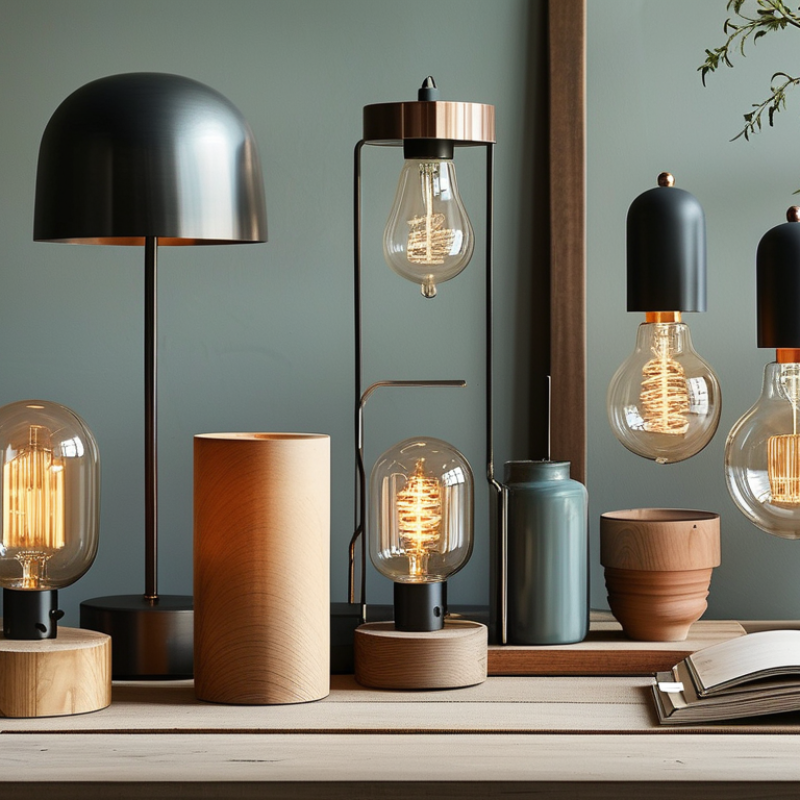
Understanding the Role of Lighting in Interior Design
Lighting plays a vital role in interior design. It can change the mood and functionality of a space. Proper lighting enhances the aesthetics of a room. It can make small spaces appear larger and alter perceptions of color. For example, a warm light can create a cozy atmosphere, while cool light offers clarity and brightness.
When selecting a lighting fixture, consider the purpose of the space. Different areas require different intensities. A kitchen needs bright, task-oriented lighting. In contrast, a bedroom benefits from softer, ambient lighting. Layer your lighting by mixing overhead, task, and accent lights. This approach adds depth and character to your design. However, it’s easy to overdo it. Too many light sources can create glare and discomfort.
Pay attention to the fixtures themselves. They should complement your overall design style. A modern fixture can clash in a traditional space. Conversely, vintage pieces might feel out of place in contemporary settings. Reflect on your choices. Are they truly enhancing the space? Assess how the light interacts with the room throughout different times of the day. This can reveal both strengths and weaknesses in your lighting design.
Evaluating Different Types of Lighting Fixtures
When evaluating different types of lighting fixtures, it’s essential to consider their purpose in the space. Ambient lighting typically provides overall illumination. In contrast, task lighting focuses on specific areas, like a desk or reading nook. According to a recent industry report, effective task lighting can boost productivity by up to 30%. This insight highlights the importance of choosing fixtures that meet the specific needs of a room.
Another key aspect is the aesthetic appeal of the lighting fixture. A well-chosen fixture can significantly enhance a room’s ambiance. However, many homeowners struggle to blend functionality with style. For example, pendant lights can generate both ambient and task lighting, but their design must coordinate with existing decor. It’s crucial to balance technical specifications with visual elements.
Energy efficiency is also a vital consideration. LED fixtures, while sometimes more expensive upfront, can save up to 75% on energy costs over time. However, the initial investment can be a barrier for some. Consumers often overlook the long-term savings potential, which may lead to regret down the road. As you weigh your options, reflect on how your lighting choices can impact both your space and your wallet.
Assessing the Size and Scale of Your Space
When choosing a lighting fixture, understanding the size and scale of your space is crucial. A small room may benefit from a single, elegant pendant light, while a larger area might need multiple fixtures to create balance. Consider the height of your ceilings. High ceilings often require taller fixtures to draw the eye upward.
Measuring your room is a helpful step. Length and width provide a clear picture of how much light you need. A common mistake is selecting fixtures that are too small, resulting in a dim and uninviting atmosphere. Similarly, over-scaled fixtures can overwhelm a room, making it feel cramped. Aim for harmony and proportion.
It’s also vital to consider the purpose of the space. A cozy reading nook needs warm, ambient light, while a home office benefits from bright task lighting. Test different fixture placements before making a decision. Visualize how each light source interacts with the room. This process can be challenging. You might change your mind several times. Ultimately, the right fixture enhances your space, reflecting your personal style and needs.
Choosing the Right Style to Match Your Decor
Lighting fixtures significantly influence the overall atmosphere of your space. Choosing the right style can either enhance or clash with your decor. Consider the existing elements in your room. Are your walls painted in warm tones, or is there a modern, minimalist feel? For a cozy home, soft, vintage-inspired fixtures may work well. A sleek, contemporary lamp suits a modern aesthetic better.
Textures and materials also play a crucial role. Opt for wooden fixtures in rustic spaces, while metal shines in industrial settings. A mix of styles can create unique charm but requires careful thought. An overly eclectic approach might lead to chaos. Take a moment to reflect on what resonates with your personal style. Personal touches can transform a space.
Scale is another factor. Large spaces need bold fixtures to fill them adequately. Conversely, small rooms benefit from subtle lighting to avoid overwhelming the space. Sometimes, less is more. Experimenting with different placements and styles can lead to discoveries about what truly makes a room feel complete. Don't rush this process; it's okay to redefine your style as preferences evolve.
Making Energy Efficiency and Maintenance Considerations
When choosing lighting fixtures, energy efficiency and maintenance are crucial. Select fixtures that optimize energy use. LED lights are a popular choice. They consume less electricity and last longer than traditional bulbs. This reduces both energy bills and replacement frequency. However, not all LED options are created equal. It's essential to check their lumens and color temperatures to ensure proper illumination for your space.
Consider the maintenance aspect as well. Some fixtures require frequent cleaning or bulb replacements, impacting your routine. Opting for easy-to-maintain designs can save you time. For instance, flush-mounted fixtures are simpler to clean than chandeliers. Additionally, look for durable materials. They can withstand wear and tear better, minimizing the need for replacements. Balancing energy efficiency with maintenance needs helps create a functional and enjoyable environment.