Best Waterproof Emergency Light for Home and Outdoor Use?
In today's unpredictable world, having a reliable Waterproof Emergency Light is essential for both home and outdoor use. As emergency preparedness expert John Thompson once stated, "A light source during emergencies can be a lifesaver." This highlights the importance of portable and durable lighting solutions.
Many people overlook the significance of waterproof features when selecting emergency lights. During storms or outdoor activities, exposure to water can damage ordinary lights. Waterproof Emergency Lights ensure functionality in inclement weather. Ensuring safety during blackouts or outdoor adventures is crucial.
Choosing the best Waterproof Emergency Light can be challenging. Not all products meet the necessary standards. Some might fail to provide sufficient brightness or durability. It’s vital to research and invest in trusted brands. A dependable Waterproof Emergency Light is not just a convenience; it is a necessity that can bring peace of mind. Investing in it is investment in safety.
Choosing the Right Waterproof Emergency Light for Your Needs
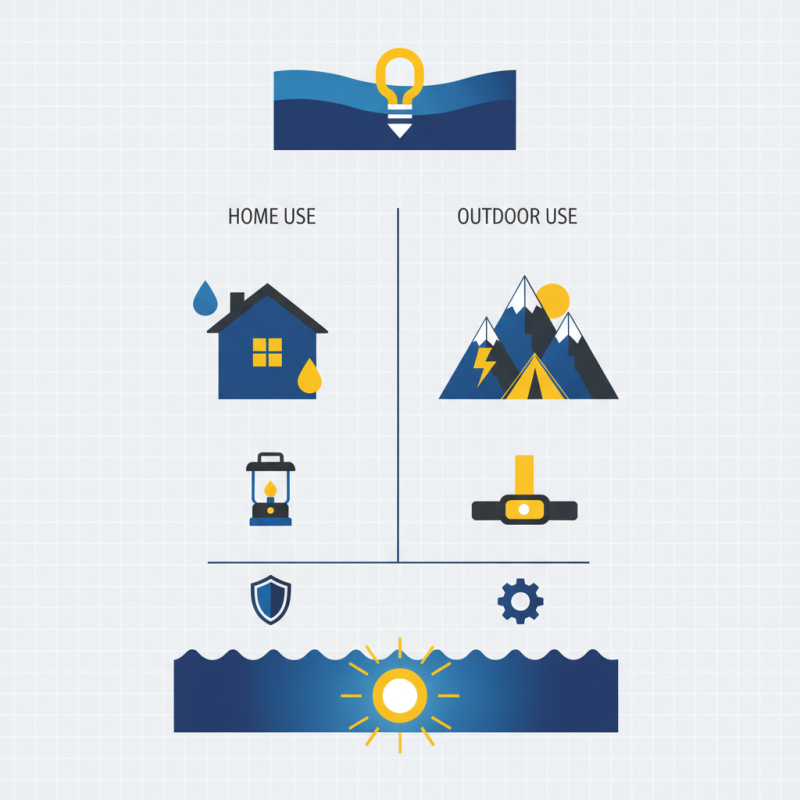
When selecting a waterproof emergency light, consider your specific needs. Think about where you’ll use it: indoors during a power outage or outdoors while camping. Each scenario requires different features. An emergency light for home use should provide bright illumination and a long battery life. Look for models that can withstand water splashes and dust.
Size and weight are also important factors. A compact light is easier to store and carry. Some models even come with hooks or magnets, which allow for hands-free use. However, you may find that smaller lights compromise on brightness. Consider your priorities carefully. Sometimes, a larger light is necessary for outdoor safety.
Don’t forget to evaluate the brightness levels. A flashlight may not be enough in a situation where visibility is low. Some lights have adjustable brightness settings, which can conserve battery life. Always check user reviews for real-world experiences. Finding a balance between portability and brightness is key. Reflect on what features matter most to you, as your needs may change over time.
Key Features to Consider in Waterproof Emergency Lights
When selecting a waterproof emergency light, durability is key. Look for lights made from robust materials that should withstand harsh weather conditions. Lights with an IP rating of 65 or higher are ideal, as they can resist water and dust effectively. This detail is critical for outdoor use.
Brightness should also be a consideration. Choose lights with multiple brightness settings. Some may need a faint glow, while others may require intense illumination. Battery life matters, too. Extended run times are essential during longer outages. Rechargeable options offer convenience, but they should hold their charge well.
Reflect on the weight and portability of the light. Lightweight models are easier to carry, although some might find them a bit fragile. Check if the design allows for easy handling. Mounting features can be beneficial, allowing versatile usage at home or outdoors. More options can enhance functionality, but they can also complicate choices.
Top Brands and Models for Home and Outdoor Use
When it comes to choosing the best waterproof emergency light, consider both home and outdoor settings. There are several reliable models available that offer bright illumination while being robust against water damage. Many options come equipped with LED technology, which not only ensures long-lasting performance but also conserves battery life. In rainy conditions, the right waterproof light can be a game-changer. Yet, durability is often overlooked; some lights fail after just one stormy night.
Look for lights with high IP ratings. An IP67 rating means they can withstand immersion in water. This makes them suitable for various outdoor activities, from camping trips to backyard gatherings. Battery life matters too; a light that dies quickly is not dependable. Some users prioritize brightness, but they forget that a light must last during a power outage.
Reflecting on your needs is crucial. Examine where you’ll most likely use the light. Will it be on your porch or in a shed? The placement can affect the type of light you should choose. A compact light might fit well indoors but may not provide enough coverage outdoors. It's important to have a versatile option for various scenarios. Remember, the perfect emergency light isn’t just about specifications; it’s also about how it fits into your lifestyle.
Comparative Analysis of Battery Types for Emergency Lighting
When choosing an emergency light, battery type matters significantly. Traditional alkaline batteries are common but have limitations. They often drain quickly, especially in colder temperatures. Moreover, once spent, these batteries might end up in landfills, impacting the environment.
Rechargeable lithium-ion batteries offer a promising alternative. They have longer lifespans and can be reused many times, which cuts down on waste. However, their performance may be less reliable in extreme conditions. A power outage could leave you in the dark if the battery isn't fully charged. It's crucial to develop a habit of regular charging. This can be easy to forget, especially amid daily chaos.
Solar-powered options are gaining traction too. They harness the sun's energy, making them environmentally friendly. Yet, during cloudy or rainy days, their effectiveness declines. Storage capacity also varies widely across models. You may find yourself scrambling for a backup source if the sun doesn’t shine when you need it most. Each battery type has its pros and cons, making the choice challenging.
Maintenance Tips for Prolonging the Life of Waterproof Lights
Waterproof emergency lights are essential for safety at home and outdoors. To ensure longevity, proper maintenance is crucial. Regularly checking the seals and batteries can prevent issues. According to the Lighting Industry Association, nearly 30% of emergency lighting failures stem from poor maintenance. This highlights the importance of routine checks.
Cleaning waterproof lights helps keep performance up. Dust and grime can block sensors and LEDs. Use a soft cloth and mild detergent to clean the surface. Additionally, verify the light's functionality monthly. A simple test can identify potential issues early. It's worth noting that around 15% of users neglect this step.
Storage conditions matter too. Store lights in a cool, dry place. Extreme temperatures can damage batteries and components. When exposed to moisture, corrosion may occur. The National Fire Protection Association estimates that improper storage leads to a 20% decrease in effectiveness. Reflect on these maintenance tips to maximize the benefits of waterproof emergency lights.