10 Best Solar Lanterns for Camping and Outdoor Use

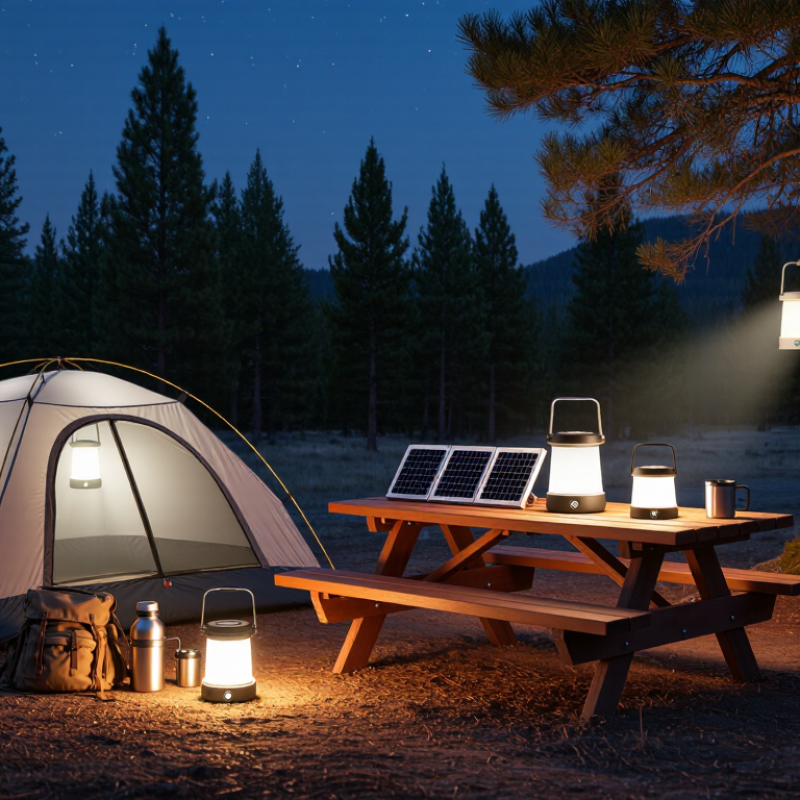
A dependable Solar Lantern can make a campsite feel safer and more comfortable after sunset. It can light a tent, help you find a water bottle, or brighten a picnic table. Yet lanterns differ in brightness, weight, charging options, and weather resistance. A compact model may be easy to pack but less useful for lighting a large area. Small details matter.

This guide explores ten lanterns for camping and outdoor use, with practical features in mind. We consider light output, battery capacity, charging methods, portability, durability, and ease of operation. Solar charging can be useful during a long trip, but sunlight and charging time vary. A lantern with USB charging or replaceable batteries may offer more flexibility when cloudy weather interrupts a plan. Always check the maker’s stated runtime and water-resistance rating; real performance depends on settings and conditions.

There is no perfect pick, and prioritizing portability may overlook the needs of campers who want stronger, longer-lasting light. That trade-off deserves attention. Think about where you will use the lantern, how you will recharge it, and whether you need gentle tent lighting or broad campsite illumination. The options below can help you compare those needs without assuming one lantern suits everyone. A little planning helps.
10 Best Solar Lanterns for Camping and Outdoor Use

Solar Lantern Basics: How Photovoltaic Panels Charge LED Lights

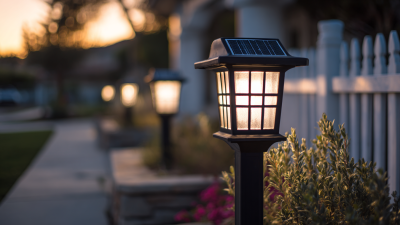
A solar lantern turns sunlight into stored light through a small photovoltaic panel, a battery, and LEDs. Photons striking the panel create direct-current electricity. A charge controller manages the flow into the battery, while the LEDs draw power after dusk. Simple in principle. In practice, panel size, battery condition, shade, and sunlight angle all affect charging time. A lantern left behind a tent wall may charge far more slowly than one placed in open sun.

The National Renewable Energy Laboratory’s 2013 review examined nearly 2,000 photovoltaic degradation rates and found a median decline of about 0.5% per year. That figure is useful context, not a lantern-specific lifespan guarantee; small consumer panels and batteries vary. The U.S. Department of Energy reports that LEDs use at least 75% less energy than incandescent lighting. Lower power demand helps a compact battery provide useful light for longer.

For camping, keep the panel facing unobstructed daylight, and wipe away dust or dried mud. Cloudy skies still provide light, but charging usually slows. Check the lantern’s charging indicator rather than assuming a few hours outdoors means a full battery. One caveat: indicator lights show charging activity, not necessarily remaining capacity. A brief brightness test before packing can reveal surprises.

Compare 10 Lanterns by Lumens, Runtime, and Battery Energy (Wh = V × Ah)

Ten lanterns can look similar on a product page, yet their useful brightness and staying power may differ. Compare lumens at the same setting, not just each lantern’s maximum output. Around 100 to 200 lumens can suit a small tent, while cooking or shared camp areas may need more. Brightness matters, but so does runtime: a lantern lasting 12 hours on low may run only a few hours at full power. Check which setting the runtime claim describes. A small detail, but an important one.

Battery energy helps make the comparison fair. Calculate watt-hours by multiplying voltage by amp-hours: a 3.7-volt, 2-amp-hour battery stores about 7.4 Wh. Higher Wh often means more stored energy, though efficiency and brightness affect actual runtime. For each of the ten options, note lumens, stated runtime, battery voltage, amp-hours, and calculated Wh. Also check whether the solar panel can recharge the lantern in realistic sunlight; cloudy afternoons are not dependable charging sessions. Specs can still feel a little messy, since testing conditions vary. Treat advertised figures as guidance, and favor clear setting-by-setting runtime details over a single impressive number.

Check Splash Resistance: IEC 60529 Defines IPX4 as Protection from Water Splashes

When choosing a solar lantern for camping, check the stated water-resistance rating, not just a picture of rain. Under IEC 60529, IPX4 means protection against water splashes from any direction. It does not mean the lantern can be submerged or safely left in heavy rain for hours. The “X” indicates that dust protection has not been rated in this code. That distinction matters.

At camp, IPX4 can help with light splashes near a damp picnic table or brief drizzle. Still, water may enter through worn seals, open charging ports, or a cracked housing. Inspect the lantern before a trip, and follow its care instructions after exposure. Dry the exterior before storing it, especially around switches and charging covers. Small habit. A rating describes testing under defined conditions, not every muddy, windy campsite. I would also keep the lantern under shelter during steady rain, even if its label says IPX4. That may feel overly cautious, but replacing a wet light far from home is worse. Check the full product documentation for limitations, and treat splash resistance as a useful safeguard, not a promise of waterproof performance.

10 Best Solar Lanterns for Camping and Outdoor Use - Check Splash Resistance: IEC 60529 Defines IPX4 as Protection from Water Splashes

This comparison lists ten practical lantern profiles rather than specific products. Brightness figures are suggested selection ranges, not manufacturer specifications. Check each product’s published test rating and charging details before buying.

Lantern Profile Best Suited For Suggested Brightness Solar-Charging Feature to Look For Splash-Resistance Check Useful Details to Verify
1. Compact Collapsible Lantern Backpacking and compact camp kits 50–150 lumens Integrated panel; USB charging is useful when sunlight is limited Look for a stated IPX4 rating or higher for splash exposure Packed size, weight, hanging loop, and whether the panel is exposed when folded
2. Lightweight Tent Lantern Illuminating a small tent or shelter 50–200 lumens Solar charging with an alternative charging method for cloudy conditions Check the rating for the complete lantern, including switches and charging ports Low-light setting, diffuser, hanging hook, and runtime at the chosen setting
3. Diffused 360-Degree Lantern Shared light around a campsite 150–400 lumens A larger panel or a detachable panel that can be positioned in direct sun IPX4 indicates protection against water splashes from any direction under the standard’s test conditions Light distribution, glare control, brightness settings, and charging time specified by the maker
4. Warm-Light Lantern Relaxed evening use at camp 50–250 lumens Solar charging plus USB input can provide a backup charging option Confirm that the stated IP rating applies while the lantern is fully assembled Warm-light mode, dimming range, and whether brightness memory is included
5. High-Output Camp Lantern Lighting a larger campsite or picnic area 300–800 lumens Check panel size and charging instructions; higher output can use stored energy faster Choose a clearly stated outdoor rating; IPX4 is splash protection, not submersion protection Runtime at high and low output, battery capacity, and heat or brightness management
6. Lantern with Detachable Solar Panel Campers who want to leave the light in shade while charging the panel in sun 100–400 lumens Detachable panel with a suitable cable and a stable placement option Check the lantern and panel separately; their water-resistance ratings may differ Cable length, connector type, panel durability, and whether the panel can be replaced
7. Lantern with USB Power Output Occasional emergency phone charging at camp 100–400 lumens Solar input plus USB charging; confirm whether the lantern supports power output Check whether port covers must be closed to maintain the stated rating Output rating, charging compatibility, and how using the power output affects lantern runtime
8. Rugged-Shell Lantern Frequent outdoor use and rougher handling 100–500 lumens Protected panel or a separately positioned panel can help reduce exposure to knocks Look for a published IP rating; a rugged appearance alone does not establish water resistance Housing material, drop-test information if provided, and warranty terms
9. Hanging Lantern with Multiple Mounting Points Hanging in a tent, under a canopy, or from a campsite hook 75–300 lumens Check whether the lantern can charge in the position where its panel receives sunlight Verify the rating before use in exposed or rainy locations Handle strength, hook design, balance when hung, and access to controls
10. Emergency-Ready Solar Lantern Keeping as backup lighting for outages or unexpected delays 50–300 lumens Solar charging backed by USB charging or another manufacturer-listed charging option Confirm the water rating and keep charging ports protected as instructed Storage guidance, battery type, low-battery indication, and periodic recharge recommendations

Note: IEC 60529 defines IPX4 as protection against splashing water from any direction during the specified test. It does not mean a device is waterproof or suitable for immersion. Solar charging performance depends on factors such as sunlight, panel orientation, and shading; follow the manufacturer’s instructions.

Verify Runtime Claims: ANSI/PLATO FL 1 Measures Until Output Falls to 10%

A lantern’s runtime number can look reassuring beside a tent, but check what it actually measures. Under ANSI/PLATO FL 1, runtime is measured from 30 seconds after switch-on until light output falls to 10% of its initial level. That is a standardized comparison point, not a promise that the lantern stays equally bright all night. A model may continue glowing after the test endpoint, yet provide too little light for cooking or finding gear.

Read the fine print. Look for the tested brightness mode, power source, and stated runtime method; high and low modes can differ by hours. If the claim says it follows FL 1, check that the specification identifies the relevant test and mode. Small print matters. A cool evening, aging batteries, or repeated use of the brightest setting can shorten practical runtime. Picture sorting a headlamp and a mug at a chilly campsite: a gentle, steady glow may be more useful than a strong opening burst. Still, published figures cannot match every trip. I would leave a margin rather than plan around the last advertised hour, especially when the lantern is the only light near camp.

Match Lantern Features to Camping, Emergency, and Outdoor Use

A solar lantern should fit the job, not just look bright on a product page. For a tent, prioritize a stable base, a hanging hook, and several brightness settings. A soft low mode can light a map or cooking area without draining the battery quickly. Check the stated runtime at each setting; the maximum figure may apply only to the dimmest mode. Small detail, big difference.

For emergency use, favor simple controls, a clear battery indicator, and a backup charging option such as USB. Solar charging depends on direct sunlight and can be slow after cloudy days, so it should not be your only plan. Store the lantern where it can receive daylight, but test its charge and controls before an outage. It is easy to misjudge how much light a room needs until the power goes out.

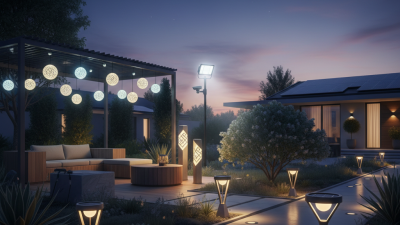
For patios, garden paths, or longer trips, consider weather resistance, weight, and how easily the lantern can be carried or hung. A heavier model may feel reassuring at a fixed campsite but become annoying on a hike. Look for specific weather-resistance details rather than assuming “outdoor” means waterproof. No lantern suits every setting. Think about where it will sit, how long it must run, and whether you can recharge it reliably.

Go to Top