Best LED Tri-Proof Light for Global Buyers in 2026?
As we approach 2026, the demand for reliable lighting solutions continues to grow. The LED Tri-Proof Light has emerged as a top choice for various industries. Its robust design and energy efficiency make it suitable for tough environments, such as warehouses and outdoor spaces.
Global buyers are increasingly seeking these lights for their durability. However, the market is flooded with options, which can be overwhelming. Not all products are created equal; some may lack important certifications. It is essential to understand the key features that define quality LED Tri-Proof Lights.
With advancements in technology, these lights have improved in terms of brightness and energy savings. Yet, challenges remain in selecting the right product. Many buyers face confusion due to varying specifications and unclear supplier claims. A thoughtful approach in choosing the best LED Tri-Proof Light not only ensures optimal performance but also reflects environmental responsibility.
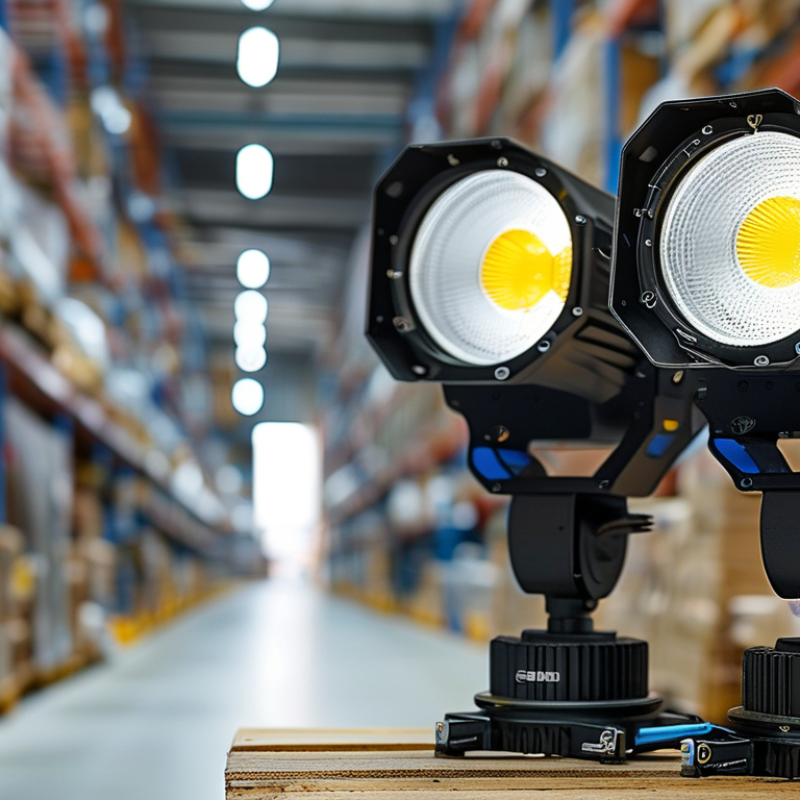
Overview of LED Tri-Proof Lights and Their Applications in 2026
LED tri-proof lights have become increasingly popular in various applications due to their durability and efficiency. These lights can resist dust, water, and corrosion. They are ideal for challenging environments like factories, warehouses, and outdoor spaces. Their robust design ensures long-term performance in diverse conditions.
In 2026, the demand for LED tri-proof lights is likely to grow. Many industries will look for energy-efficient solutions. These lights can reduce electricity costs and maintenance needs. However, some users may find installation challenging. Proper training is necessary for optimal placement. Awareness of this can improve overall satisfaction.
The versatility of LED tri-proof lights makes them suitable for numerous situations. From parking lots to agricultural settings, their applications are vast. Innovative designs allow for integration with smart technologies. However, the market may become saturated. Buyers should carefully evaluate their options and seek advice from experts. This attention to detail can lead to better choices.
Key Features to Consider When Choosing LED Tri-Proof Lights
When selecting LED tri-proof lights, there are several key features to consider. A major consideration is the ingress protection (IP) rating. Look for lights with a high IP rating, such as IP65 or IP68. This indicates resistance to water, dust, and other elements. Such ratings ensure durability in harsh conditions.
Another important factor is the lumen output. Higher lumen output means brighter light. Consider what you need for the space. For example, a warehouse may require more lumens than a storage room.
Tips: Always check the beam angle. A wide beam angle can provide better illumination over larger areas. Conversely, a narrow angle may be better for focused lighting.
Material matters too. Choose lights made from robust materials to withstand physical impacts. Aluminum or polycarbonate housings are often more durable than cheaper options. Remember that aesthetics can also play a role. A sleek design may enhance the overall look of your space.
Not all lights will fit all needs. Assess your specific environment and intended use. Doing so will help you avoid costly mistakes. Consider future technology as well; opting for smart features can enhance functionality.
Best LED Tri-Proof Light for Global Buyers in 2026? - Key Features to Consider When Choosing LED Tri-Proof Lights
| Feature | Description | Importance |
| IP Rating | Ingress Protection rating indicating resistance to dust and water. | High - essential for outdoor and industrial use. |
| Lumen Output | The total light emitted by the fixture, measured in lumens. | High - determines brightness and applicability. |
| Energy Efficiency | Ratio of light output to energy consumption, typically expressed in lumens per watt (lm/W). | High - impacts operational costs and energy consumption. |
| Lifespan | Typical operational life expectancy of the LED fixture, often measured in hours. | High - affects replacement frequency and total cost of ownership. |
| Temperature Range | The ambient temperatures the light fixture can operate within safely. | Medium - critical for harsh environmental conditions. |
| Mounting Options | Versatility in installation methods such as surface, pendant, or suspended mounts. | Medium - impacts installation flexibility and suitability. |
| Color Temperature | Measured in Kelvin (K), indicating the color appearance of the light (e.g., warm white, cool white). | Medium - affects ambiance and application appropriateness. |
Top Brands and Models of LED Tri-Proof Lights for Global Markets
The demand for LED tri-proof lights continues to grow globally. These versatile fixtures are known for their durability and efficiency. They are ideal for harsh environments, including factories and outdoor spaces. Buyers are looking for reliable options. Several brands have emerged as leaders in this niche.
When selecting a tri-proof light, consider the design and materials used. High-quality options often feature polycarbonate covers that resist impacts and harsh weather. Many top models also have water and dust resistance rated at IP65 or higher. Brightness and energy consumption are key factors. Lights with high lumen output and low wattage are preferred.
While many products look promising, user reviews vary. It’s essential to research and compare options. Some models have issues with light flickering or premature failures. Reading customer feedback provides insights into real-world performance. Focus on products that show consistency in performance and longevity. Balancing quality and cost is crucial for informed purchasing decisions.
Comparative Analysis of Performance and Efficiency in 2026 Models
In 2026, the LED tri-proof light market is evolving rapidly. A comparative analysis of performance and efficiency shows significant advancements in energy consumption. Reports indicate that new models now achieve up to 130 lumens per watt, nearly 20% more efficient than their predecessors. This shift aligns with the global demand for eco-friendly lighting solutions.
The durability of LED tri-proof lights also improved. Many models now offer an IP68 rating, ensuring robust performance in challenging environments. Additionally, manufacturers are focusing on heat dissipation technology, which can extend the life span of these lights significantly. However, some users report issues with initial setup and sensitivity to voltage fluctuations. It highlights the importance of user experience in product development.
Tips: Always check the specifications before purchasing. Look for independent reviews to gauge real-world performance. Monitor your energy bill regularly to see savings from new lights. An efficient design may lead to lower energy costs, but installation woes can offset these benefits.
Future Trends in LED Tri-Proof Lighting Technology and Design
The landscape of LED tri-proof lighting technology is evolving rapidly. According to a report by MarketsandMarkets, the global LED lighting market is projected to reach USD 204.3 billion by 2026, with a significant segment focusing on tri-proof lights. These lights are essential for industrial and commercial use due to their durability and efficiency. They are designed to withstand water, dust, and corrosion, making them suitable for harsh environments.
Innovation in design is key. New tri-proof lights now feature advanced optical technologies that enhance light distribution and minimize glare. A notable trend is the adoption of smart lighting features. According to recent analytics, smart LED solutions are expected to occupy 50% of the total lighting market by 2026. This shift allows for better control and efficiency in various applications, from warehouses to outdoor facilities. However, there is a concern over dependency on smart technologies, which may complicate maintenance and increase costs.
There is a growing focus on sustainability. Many manufacturers are designing LED tri-proof lights with energy-efficient components. Reports indicate that energy-efficient LEDs use 75% less energy than traditional lighting. Yet, challenges remain in recycling these lights at the end of their lifecycle. Stakeholders must prioritize responsible disposal to truly embrace sustainability. As the market matures, balancing innovation with sustainability will be crucial for future developments.
Projected Growth of LED Tri-Proof Light Market (2023-2026)