Best Color Changing Lights for Every Room in Your Home?
Color-Changing Lights have become a significant trend in interior design. According to a recent survey by the American Lighting Association, more than 70% of homeowners value lighting that enhances mood and ambiance. This statistic highlights the growing interest in flexible lighting options. Color-changing lights allow individuals to create the perfect atmosphere in each room.
In living spaces, these lights can shift from warm tones for relaxation to bright, vibrant colors for social gatherings. Studies show that up to 90% of respondents believe that lighting affects their emotional well-being. This can be particularly powerful in bedrooms, where soothing colors may promote better sleep. Notably, some people struggle to find balance. Too much color can be overwhelming, leading to distraction rather than comfort.
These innovative lighting solutions are not just about aesthetics. They also offer energy efficiency, appealing to the eco-conscious consumer. A report by the Department of Energy states that LED lights, including color-changing options, consume up to 75% less energy than traditional bulbs. However, many still face challenges in selecting the right products for their homes. Understanding these elements can help improve decision-making in creating inviting spaces.
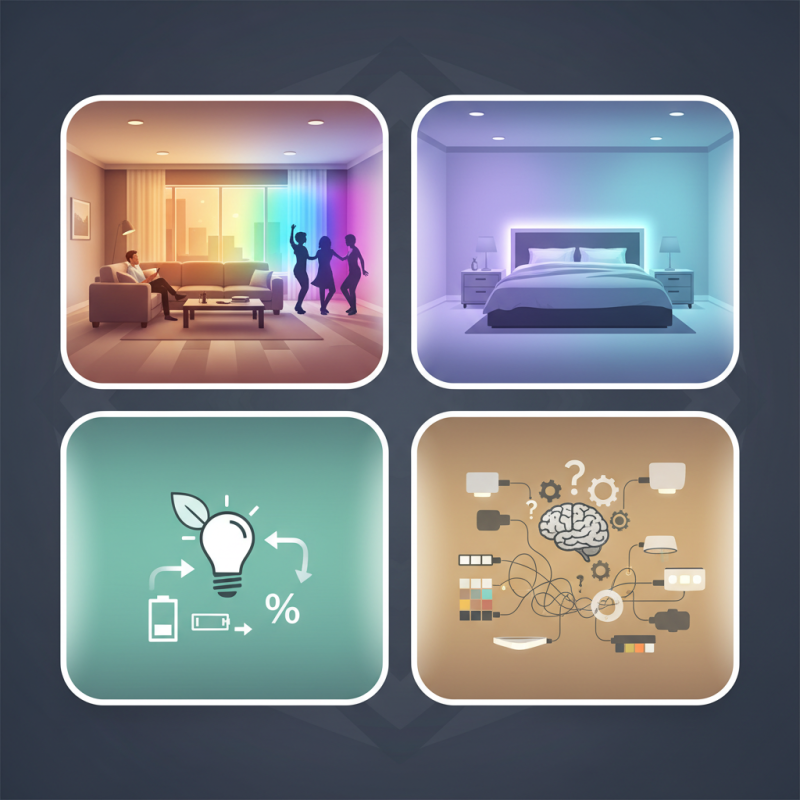
Color Changing Lights: An Overview of Benefits and Features
Color changing lights have become increasingly popular in homes. According to a recent industry report, the smart lighting market is projected to reach $22 billion by 2027, driven by the appeal of versatile lighting options. These lights can shift colors, creating different moods. From warm and cozy tones for relaxation to vibrant hues for social gatherings, the possibilities are endless.
One key benefit of color changing lights is their energy efficiency. Many models use LED technology, consuming up to 80% less energy than traditional bulbs. This not only reduces electricity bills but also lowers carbon footprints. In a recent survey, around 70% of consumers reported that they choose LED lights primarily for their long lifespan and energy savings.
However, it’s important to recognize that not every color changing light fits every space. Some may struggle to deliver accurate colors in large rooms. A poorly chosen hue can lead to unsettling atmospheres rather than the intended relaxation or energy boost. Reflection on the chosen lights is vital to ensure they enhance your home’s ambiance effectively.
Key Considerations for Selecting Color Changing Lights for Your Home
When selecting color-changing lights for your home, consider the functionality of each space. Think about where you want to use these lights. Different rooms serve different purposes. For instance, soft colors in the bedroom create a calming atmosphere. Meanwhile, vibrant colors in a game room can enhance the energy and fun.
Brightness is another key factor. Rooms with natural light may require dimmer options. Conversely, darker spaces can benefit from brighter lights to make them feel more welcoming. Adjustability is also important. Choose lights that allow you to switch between colors easily. This versatility can enhance your mood based on the time of day or occasion.
Lastly, don’t overlook compatibility with existing decor. Lights should complement your design. If they clash with your furniture or walls, it can be distracting. Sometimes, you might discover that the colors you thought you’d love do not suit your space as well as you envisioned. Take time to test options before finalizing your choice. The process can be trial and error, but finding the right vibe is essential.
Best Color Changing Lights for Living Rooms: Ambiance and Style
In recent years, color-changing lights have transformed living rooms into dynamic spaces. These lights can significantly enhance ambiance and style. A report from the American Lighting Association suggests that more than 60% of homeowners prefer adjustable lighting to set different moods throughout the day. This preference reflects a shift towards personalized home decor.
Imagine a cozy evening, with soft blue tones reflecting off the walls. These colors can promote relaxation and comfort. The versatility of color-changing lights allows users to switch from vibrant reds for entertaining guests to peaceful greens for a quiet night. However, some may find these systems overly complicated or underutilized. Not all users adapt well to technology, leading to frustration.
Additionally, a study by the International Association of Lighting Designers found that 70% of people experience increased satisfaction with adjustable lighting. Yet, many struggle to find the perfect settings, resulting in an underwhelming atmosphere. Simple adjustments can still lead to dramatic effects. Choosing the right colors and adjusting brightness levels often requires a bit of experimentation to achieve that desired ambiance.
Best Color Changing Lights for Living Rooms: Ambiance and Style
| Light Type | Color Range | Brightness (Lumens) | Control Method | Average Price |
| LED Strip Lights | 16 million colors | 500 | App & Remote | $29.99 |
| Smart Bulbs | Millions of shades | 800 | Voice & App Control | $14.99 |
| Color Changing Floor Lamps | 30 colors | 1000 | Touch & Remote | $79.99 |
| Smart Color Ceiling Lights | RGB + White | 1200 | App Control | $49.99 |
| Table Lamps | 16 colors | 600 | Remote & Touch | $39.99 |
Ideal Color Changing Lights for Bedrooms: Relaxation and Rest
The bedroom is a sanctuary for relaxation. It’s essential to create a soothing atmosphere. Color-changing lights can greatly enhance this experience. Studies indicate that proper lighting can impact sleep quality. A report from the National Sleep Foundation states that 62% of adults experience sleep issues.
Warm hues, like soft yellows and oranges, help create a calm environment. These colors signal your brain to wind down. In contrast, cooler shades such as blues and greens can promote tranquility. This can aid in falling asleep faster and staying asleep longer. Adjusting light brightness is also important. Brighter settings may be useful for late-night reading, while dimmer lights support relaxation.
It's crucial to consider personal preferences. Not every color resonates with everyone. Some may find red lights too intense, disrupting their sleep. It’s a journey of discovery. Experimenting with different colors can bring about unexpected changes. Finding the right setting takes time, but it’s necessary for true rest. After all, the goal is to nurture a space that truly feels like home.
Best Color Changing Lights for Bedrooms: Relaxation and Rest
Functional Color Changing Lights for Kitchens and Workspaces
Color changing lights can transform your kitchen and workspace. These lights enhance functionality and mood. Studies show that proper lighting increases productivity by up to 30%. Choosing the right color temperature matters. Warm white lights create a cozy atmosphere. Bright white lights stimulate focus and creativity.
For kitchens, consider installing LED strips under cabinets. They provide direct light for meal prep. Cool colors can energize you, especially during morning routines. A balance is essential; too much blue light can cause eye strain. Invest in smart bulbs that adjust color and intensity.
In workspaces, color-changing lights should be adjustable. Soft whites are ideal for long hours. Use brighter colors during brainstorming sessions. However, be cautious of changing colors too often. It can be distracting and impact your focus. Stick to a palette that encourages flow and collaboration.
Tips: Use dimmable lights to control brightness. Test colors to see which boost your mood. Track your productivity levels under different light colors to refine your setup.