2026 Top Solar Street Lights Outdoor Features You Need?
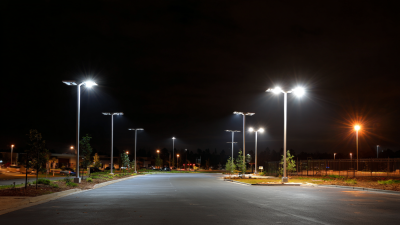
The demand for Solar Street Lights Outdoor is rapidly increasing. According to a recent industry report, the global market for solar street lighting is projected to reach $28 billion by 2026. This growth highlights a shift towards sustainable and energy-efficient solutions for urban infrastructure. Cities are recognizing the benefits of using solar-powered lighting.
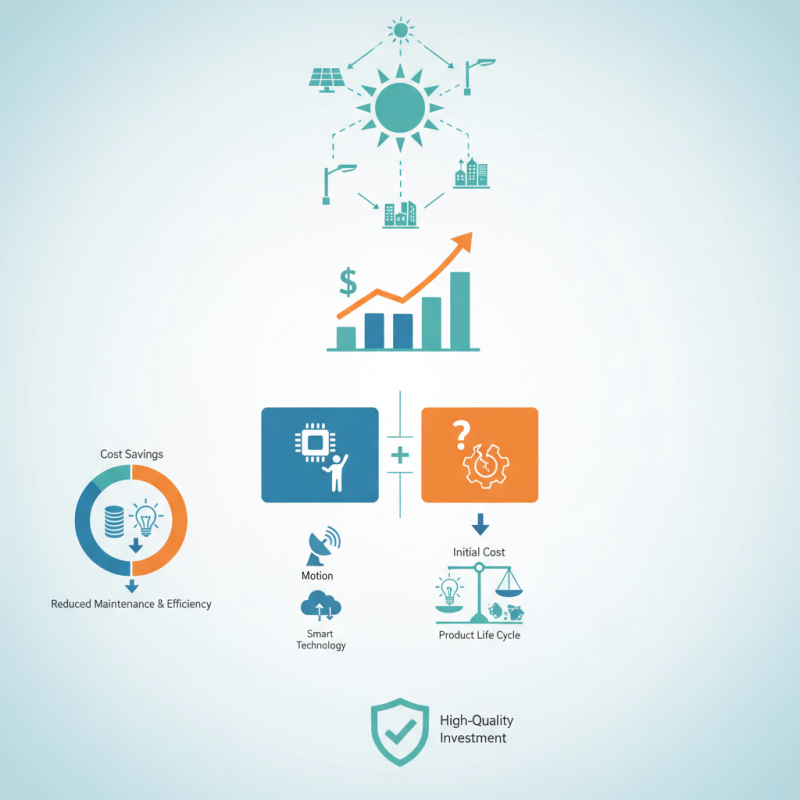
Solar street lights offer significant cost savings. They lower electricity bills and reduce maintenance needs. Innovations in LED technology enhance brightness and efficiency. However, some systems still face challenges in reliability and durability. Data suggests that many installations require frequent repairs, raising questions about their long-term effectiveness.
Investing in high-quality Solar Street Lights Outdoor is essential. Features such as motion sensors and smart technology are vital for energy conservation. Yet, users must remain cautious about the initial costs. It is crucial to evaluate the product life cycle. Not all solutions deliver on performance promises, and a critical assessment is necessary to avoid potential pitfalls.
2026 Market Trends in Solar Street Light Technology
As we approach 2026, solar street light technology is evolving rapidly. New features are emerging, driving the market's direction. Many cities are exploring how these lights can improve safety, reduce energy costs, and minimize carbon footprints. The focus is on energy efficiency and smart technology integration. Enhanced sensors are being developed to adjust brightness based on pedestrian movement.
Tips: Consider light placement carefully. A well-placed light enhances visibility without causing glare.
Another trend is the shift toward modular designs. These modular systems allow easy upgrades and repairs. Users can replace individual parts instead of the entire unit. This approach not only reduces waste but also provides flexibility in maintaining systems. However, some users may overlook the need for regular maintenance. Neglecting these tasks can lead to performance drops.
Tips: Regularly check for dirt and obstructions. Clean lights to ensure optimal performance.
2026 Solar Street Light Market Trends
Key Features of Solar Street Lights for Enhanced Outdoor Performance
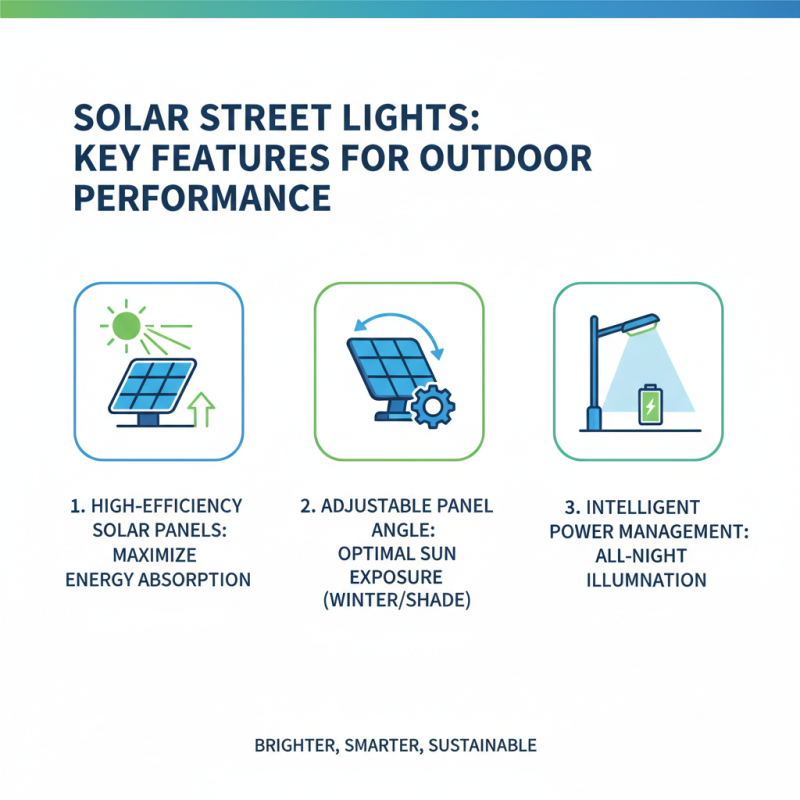
When considering solar street lights, several key features enhance outdoor performance. These lights are designed with high-efficiency solar panels, ensuring optimal energy absorption during the day. Look for models that offer an adjustable solar panel angle. This provides more sunlight exposure, especially in winter months or shaded areas.
Battery capacity is another crucial factor. A larger battery allows longer runtime during the night. Some systems also include smart sensors that detect ambient light, automatically turning the lights on at dusk. This feature can save energy and prolong battery life. Furthermore, robust materials resistant to harsh weather can extend the product’s lifespan.
However, installing solar street lights is not without challenges. Installation can be tricky, especially in uneven terrain. Additionally, the performance heavily depends on location and weather conditions. Areas with limited sunlight may require more maintenance and frequent battery replacements. Regularly assessing these lights ensures they function efficiently and meet community needs.
Solar Panel Efficiency Ratings: What to Look for in 2026 Models
When considering solar street lights for 2026, solar panel efficiency is key. Efficiency ratings indicate how well the panels convert sunlight into electricity. In 2023, high-efficiency models reached up to 23% efficiency, with improvements expected in 2026. Selecting models with at least 20% efficiency ensures optimal performance.
Tips for choosing the right solar street lights: Look for panels with solid low-light performance. This is crucial for regions with less sunlight. A good model performs well even in cloudy weather. Consider the temperature coefficient as well. Lower numbers mean better efficiency in hot weather.
Durability is another aspect to ponder. Solar street lights must withstand weather changes. Opt for models with robust materials that promise longer life. While some might overlook warranty details, they are crucial. A longer warranty often indicates better quality. Some systems may fall short in real-world conditions. Always assess user reviews for genuine feedback.
2026 Top Solar Street Lights Outdoor Features You Need
| Feature |
Description |
Performance Rating |
Average Lifespan |
| Solar Panel Type |
Monocrystalline |
20-22% Efficiency |
25 years |
| Battery Type |
Lithium-ion |
High Cycle Life |
10 years |
| Lumens Output |
Bright LED for visibility |
800-1200 Lumens |
N/A |
| Motion Sensor |
Yes, enhances security |
Adjustable range |
N/A |
| Smart Features |
Remote control & app integration |
Varies by model |
N/A |
| Weather Resistance |
IP65 Rating |
Durable in harsh conditions |
N/A |
Evaluating Battery Life and Storage Capacity in Solar Street Lighting
Battery life and storage capacity are crucial for solar street lights. These factors impact the efficiency of lighting solutions. According to industry reports, a reliable solar street light should have a battery that lasts at least 3-5 years. Lithium-ion batteries are popular due to their high energy density and long cycle life. They can store sufficient power to illuminate streets through cloudy days or during winter.
Tips: Consider battery temperature range. Extreme temperatures can shorten battery life. Proper installation in climate-friendly areas is essential.
Storage capacity is just as important. A good solar street light should have a minimum capacity of 100 Ah. This ensures that the system can hold enough charge for extended use. Some models offer smart technology to optimize energy usage, adjusting brightness based on real-time conditions. However, always check the specifications; not all products perform as claimed.
Tips: Regular maintenance can enhance battery longevity. Check for dirt and grime build-up, which can affect solar panel efficiency. Keeping panels clean ensures maximum power absorption.
Cost-Benefit Analysis: Investing in Solar Street Lights for Urban Areas
Investing in solar street lights brings numerous benefits for urban areas. They reduce electricity costs and enhance public safety. With advancements in technology, these lights are now more efficient. They provide consistent illumination while minimizing energy consumption. Yet, the initial investment may seem daunting for some municipalities.
When assessing the cost-benefit ratio, consider long-term savings. Solar lights eliminate the need for wiring and external power sources. This can lead to significant maintenance cost reductions. However, it's crucial to analyze the location and sunlight availability. Not every urban area will thrive with solar solutions. Shadowed streets may limit effectiveness.
Before making a decision, gather local data. Speak to residents about their views on safety. Understand the budget constraints of your city. Also, look into available grants or incentives. These can lighten the financial burden. Community involvement may offer insights and ideas for improvement.
Tips: Always explore different models and features. Research adaptability to various weather conditions. The right choice can greatly influence performance and satisfaction.